Everything Beneath It

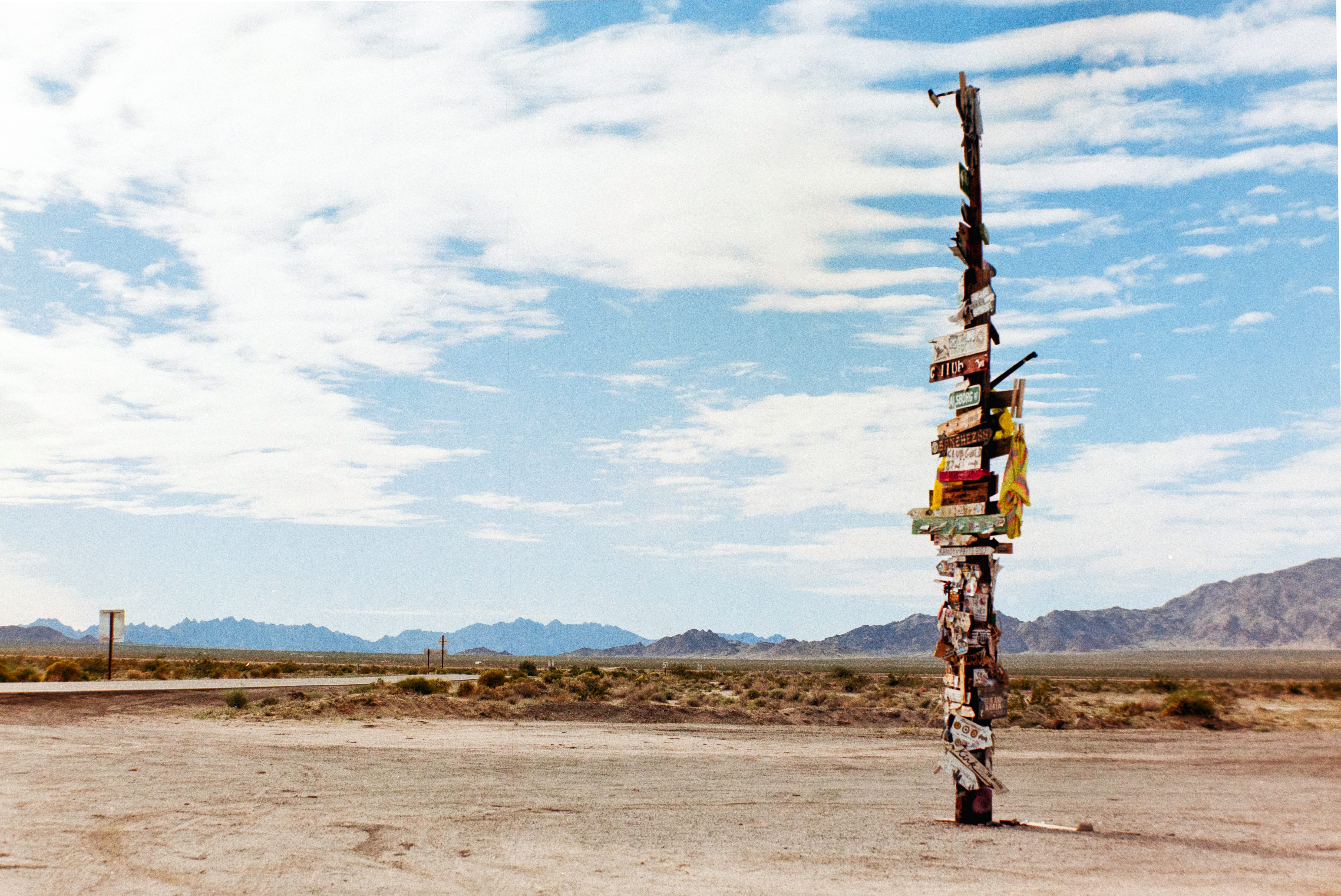
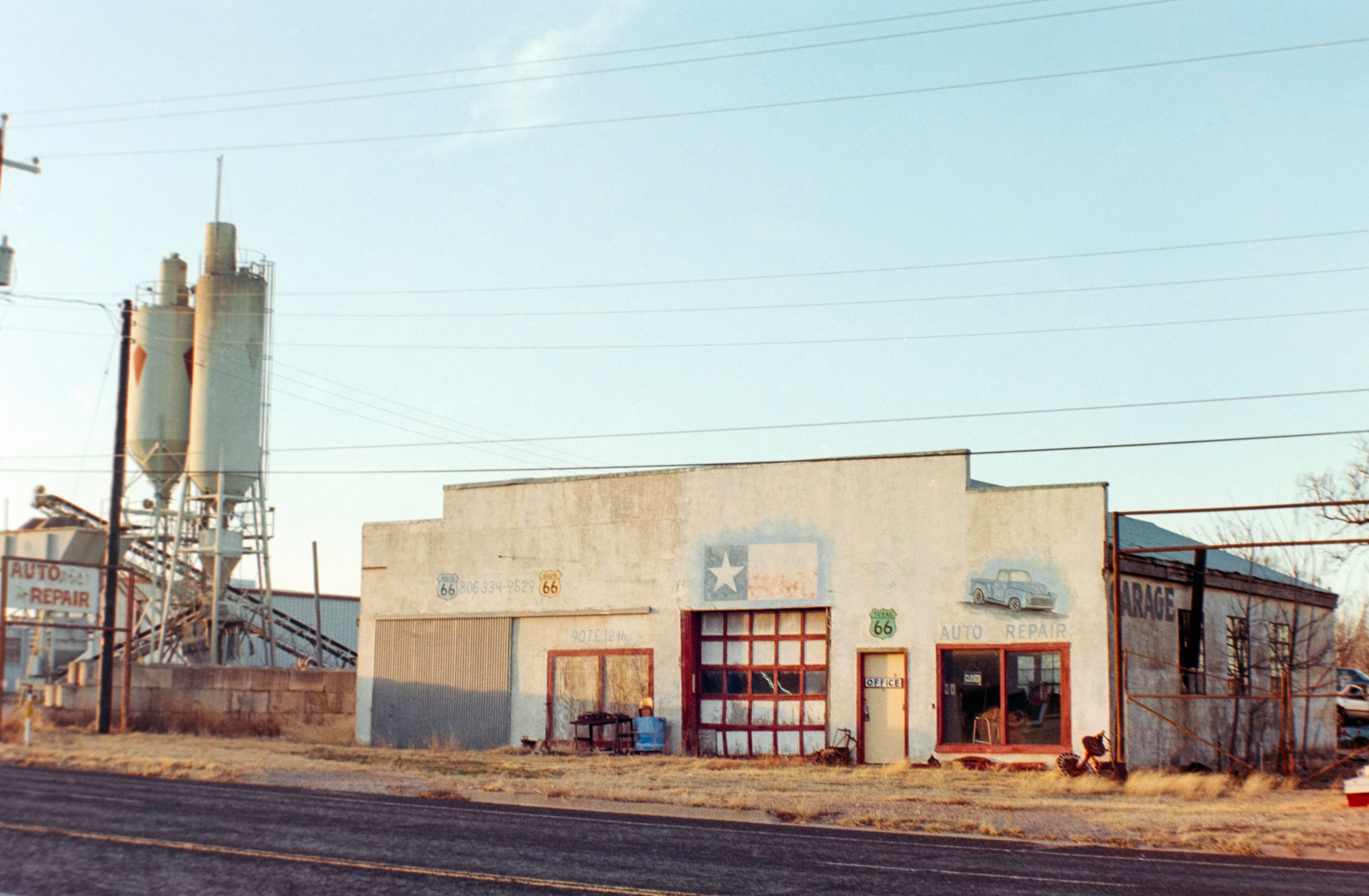
There are a handful of things I do in photography that I don’t really have a good explanation for. They’re not rules I’ve read in a book or techniques I consciously practiced until they became habit. They just sort of happened over time, the way you start taking the same road home from work without realizing you’ve stopped considering the alternatives, even if you have to sit in traffic to do it. One of those habits is where I put the horizon, and that horizon is gonna be straight (more or less).
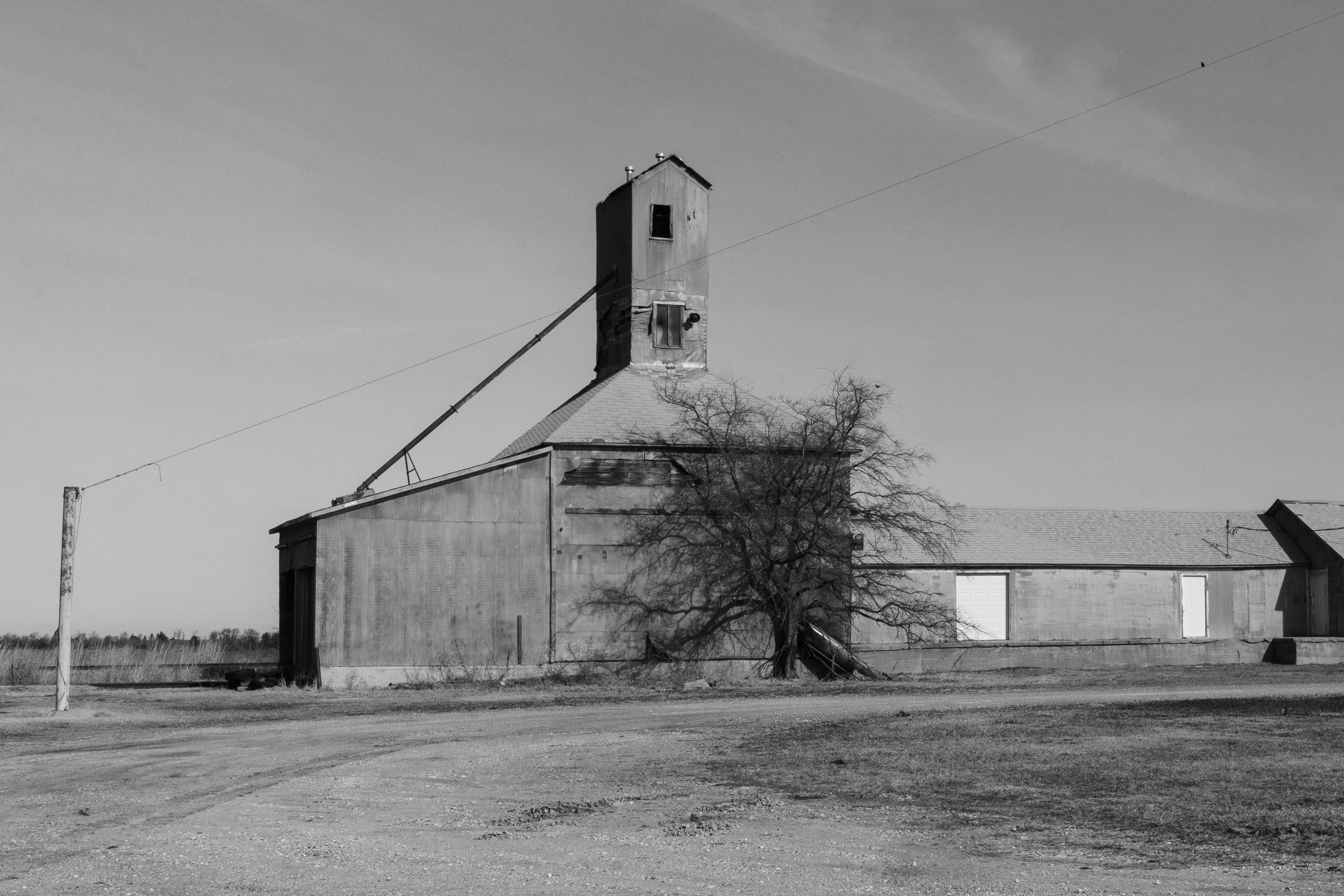
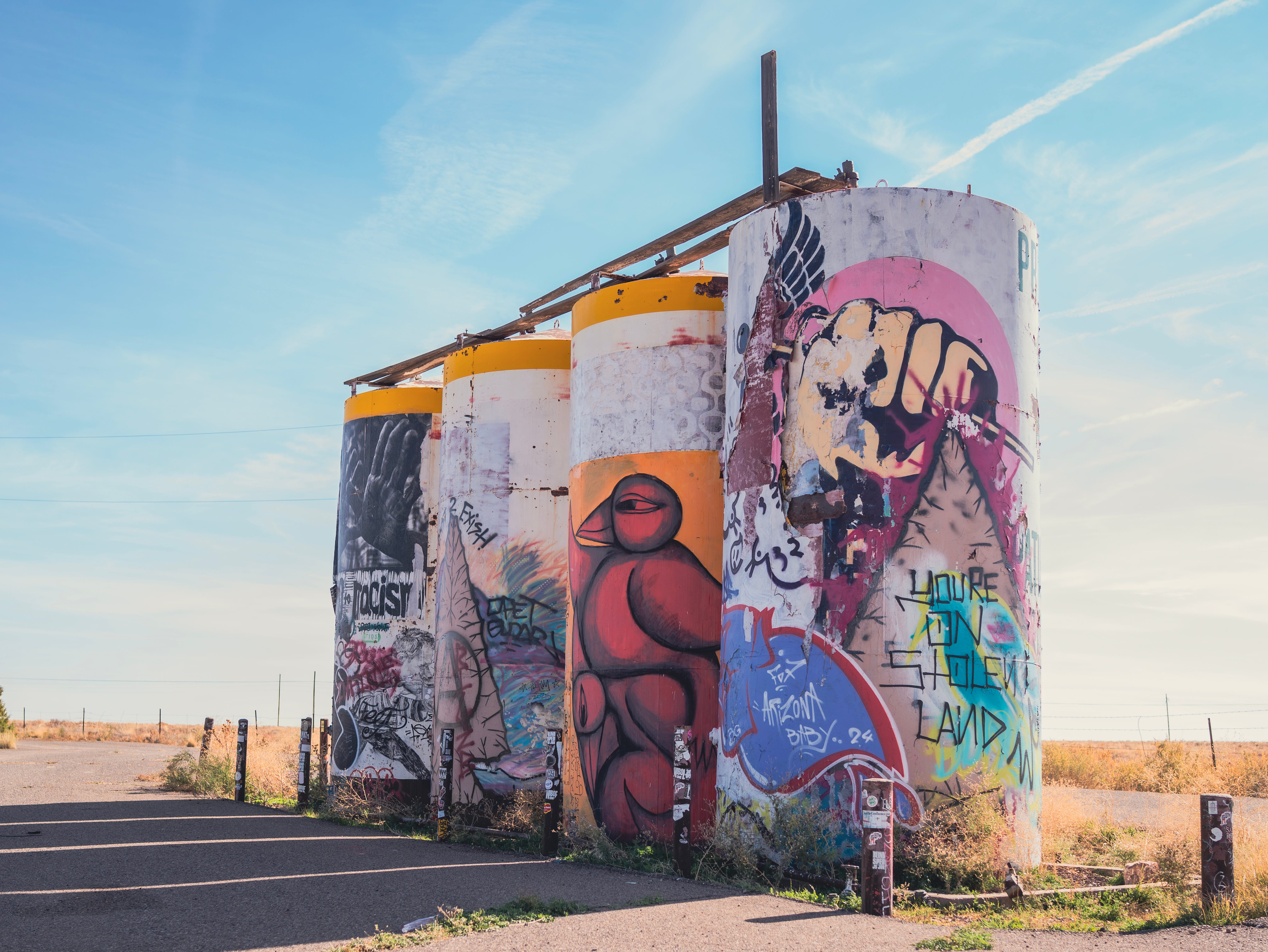
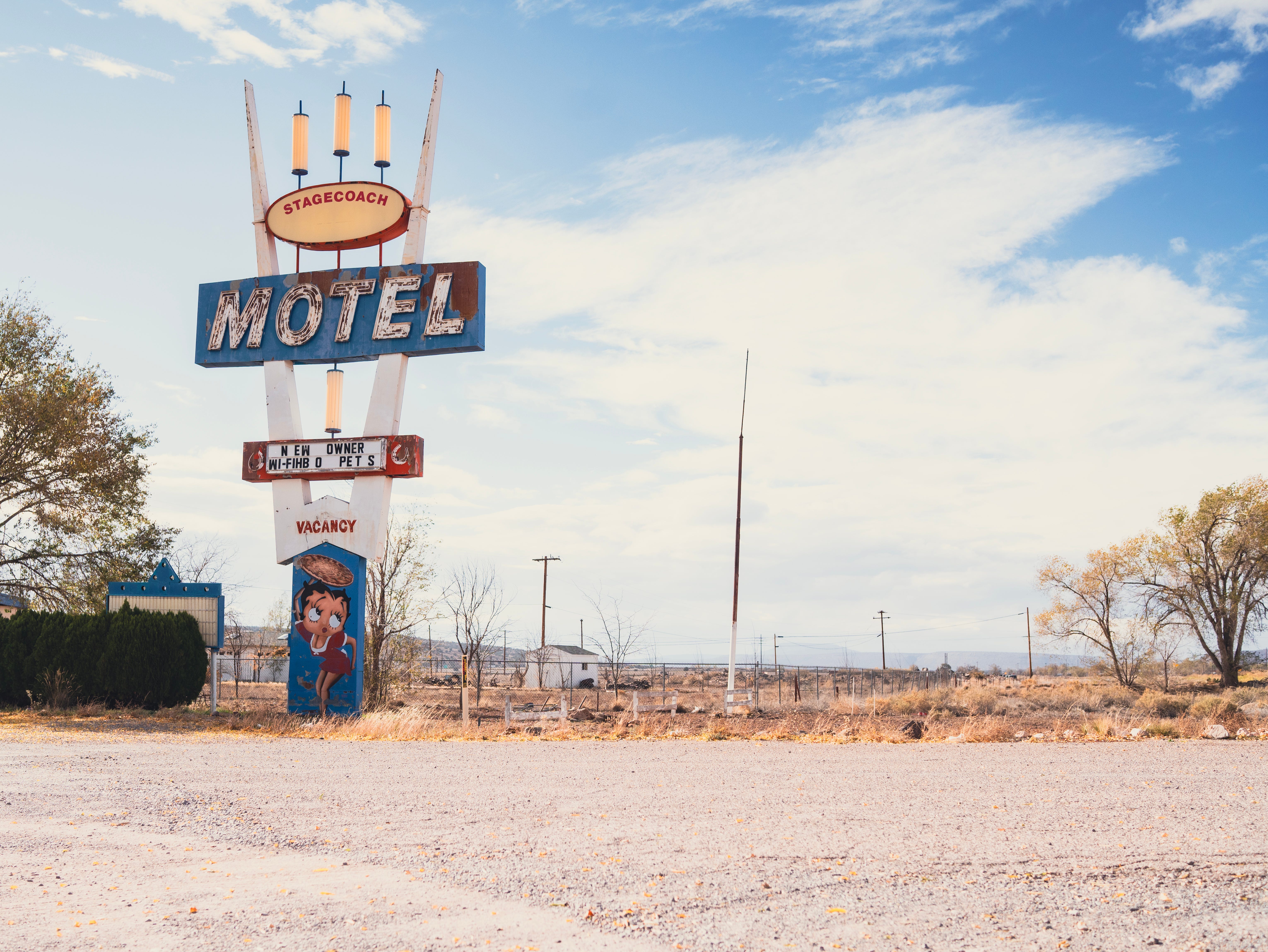
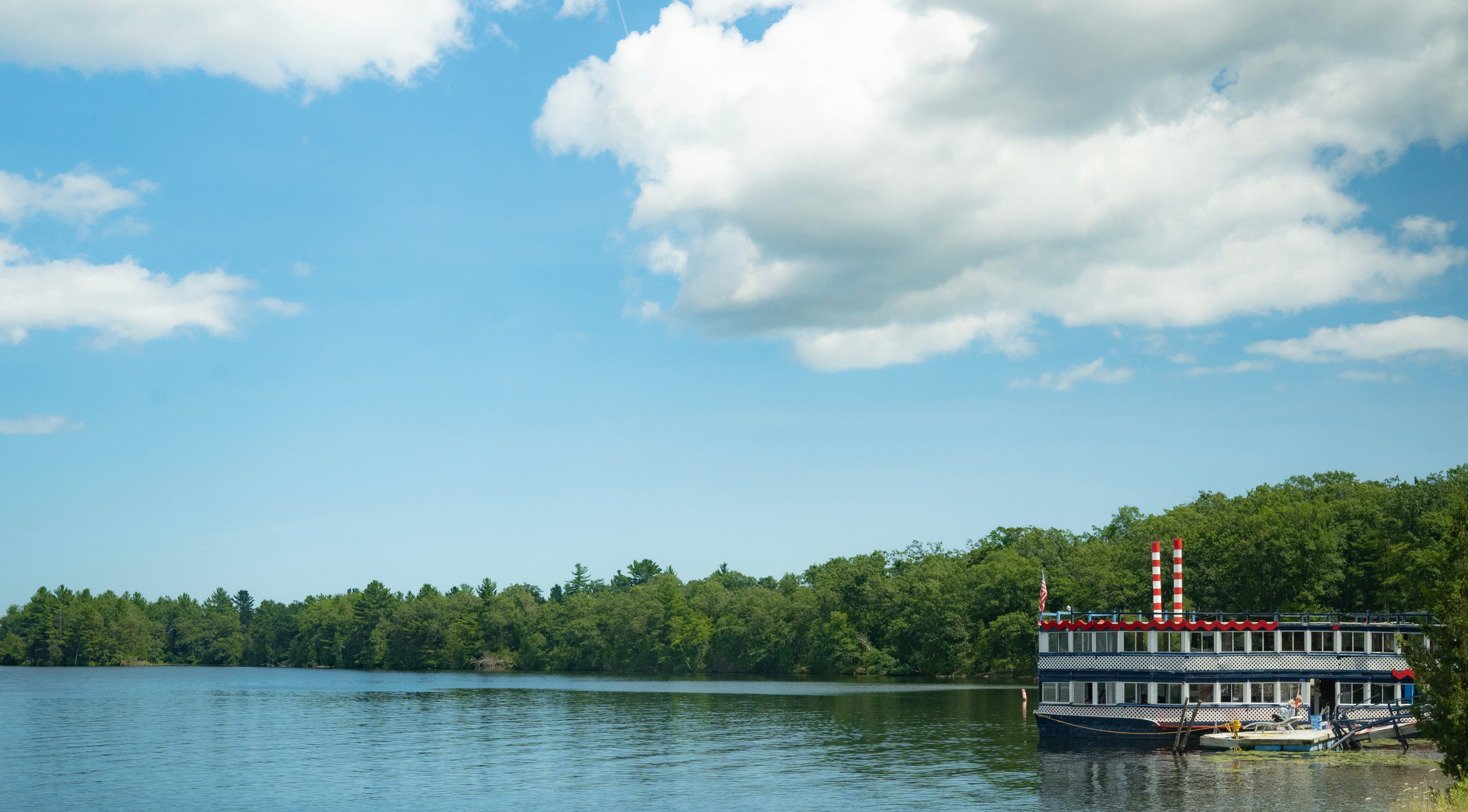
More often than not, it’s sitting in the bottom third of the frame. Sometimes the middle, but always straight.
It’s basic composition. Anyone who’s spent five minutes on YouTube has probably heard someone explain why you should divide the frame into thirds. It’s hardly revolutionary, but I don’t do it because someone told me to, I do it because every time I raise the horizon, the world starts to feel smaller. I don’t know exactly when that started happening.
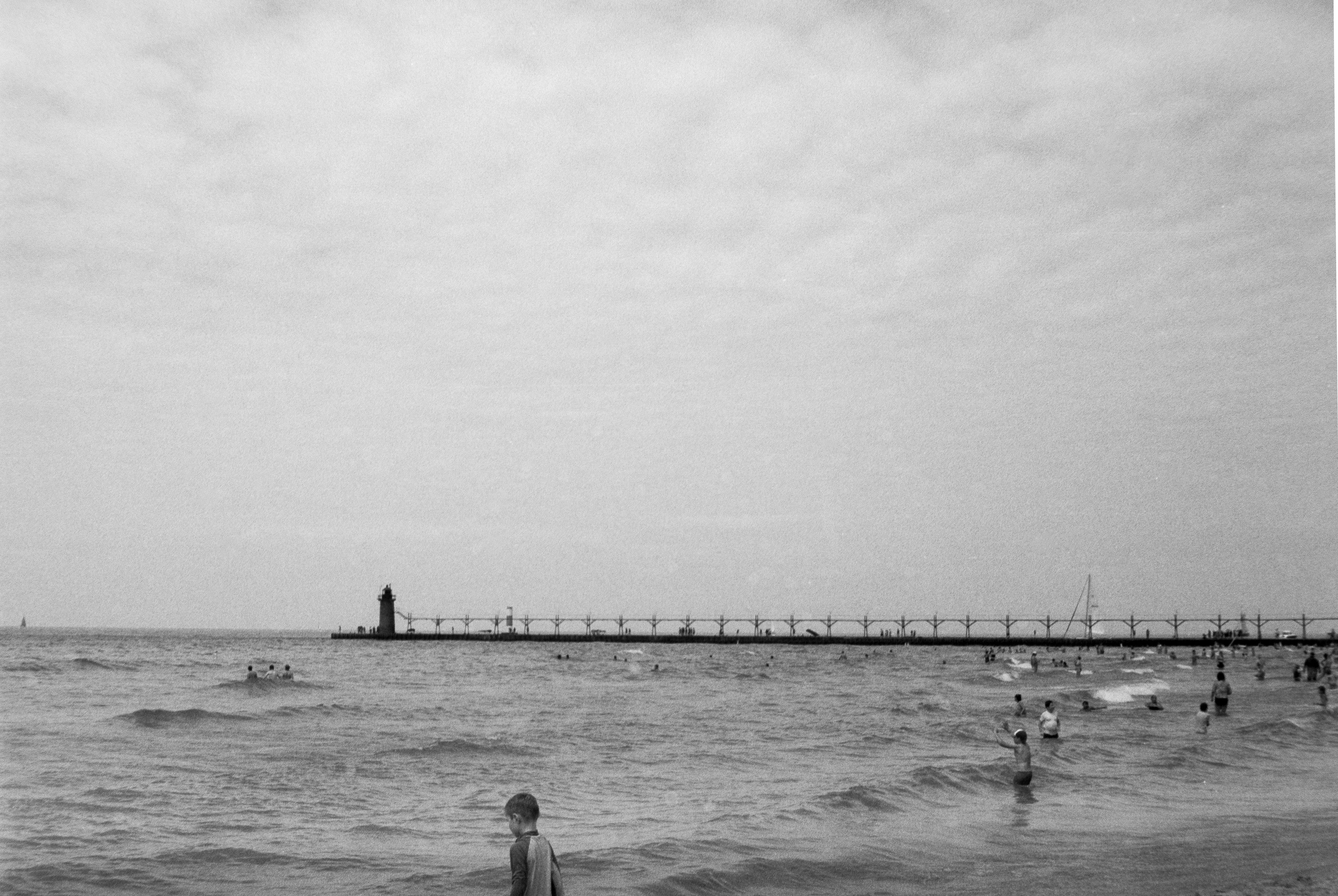
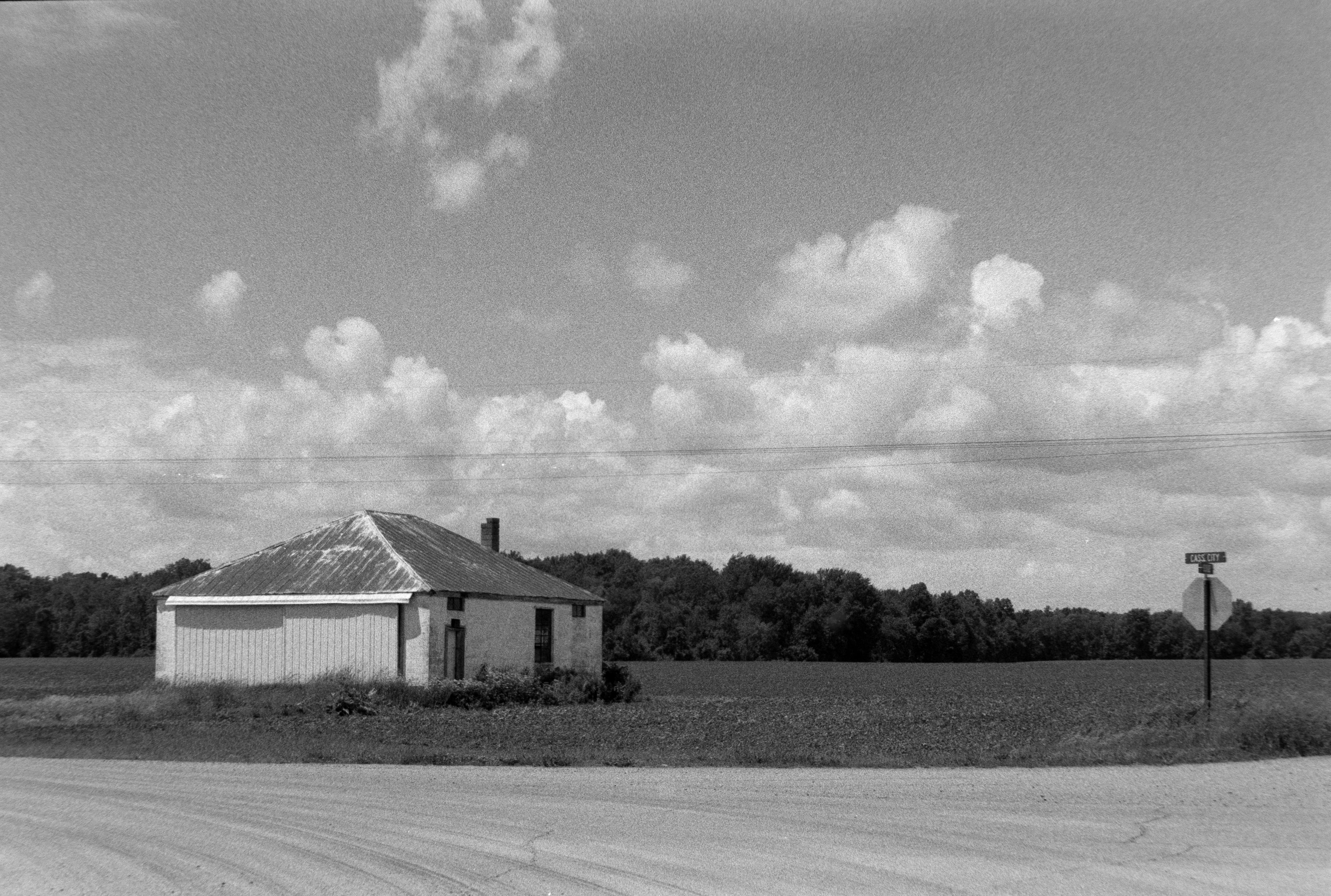
Maybe it came from spending so much time photographing the Midwest and the American West, where the sky isn’t just the background, it’s half the experience. Sometimes more than half. You stand in New Mexico, Colorado, the Upper Peninsula shoreline, or the Arizona desert, and it feels like the sky is the thing that’s swallowing everything else. Towns become tiny interruptions, telephone poles become little scratches on the earth. You become another object that’s far less important than you thought you were because of the sheer scale of the sky.
That’s what I want a photograph to feel like, not just a picture of a place, but a reminder of your size.
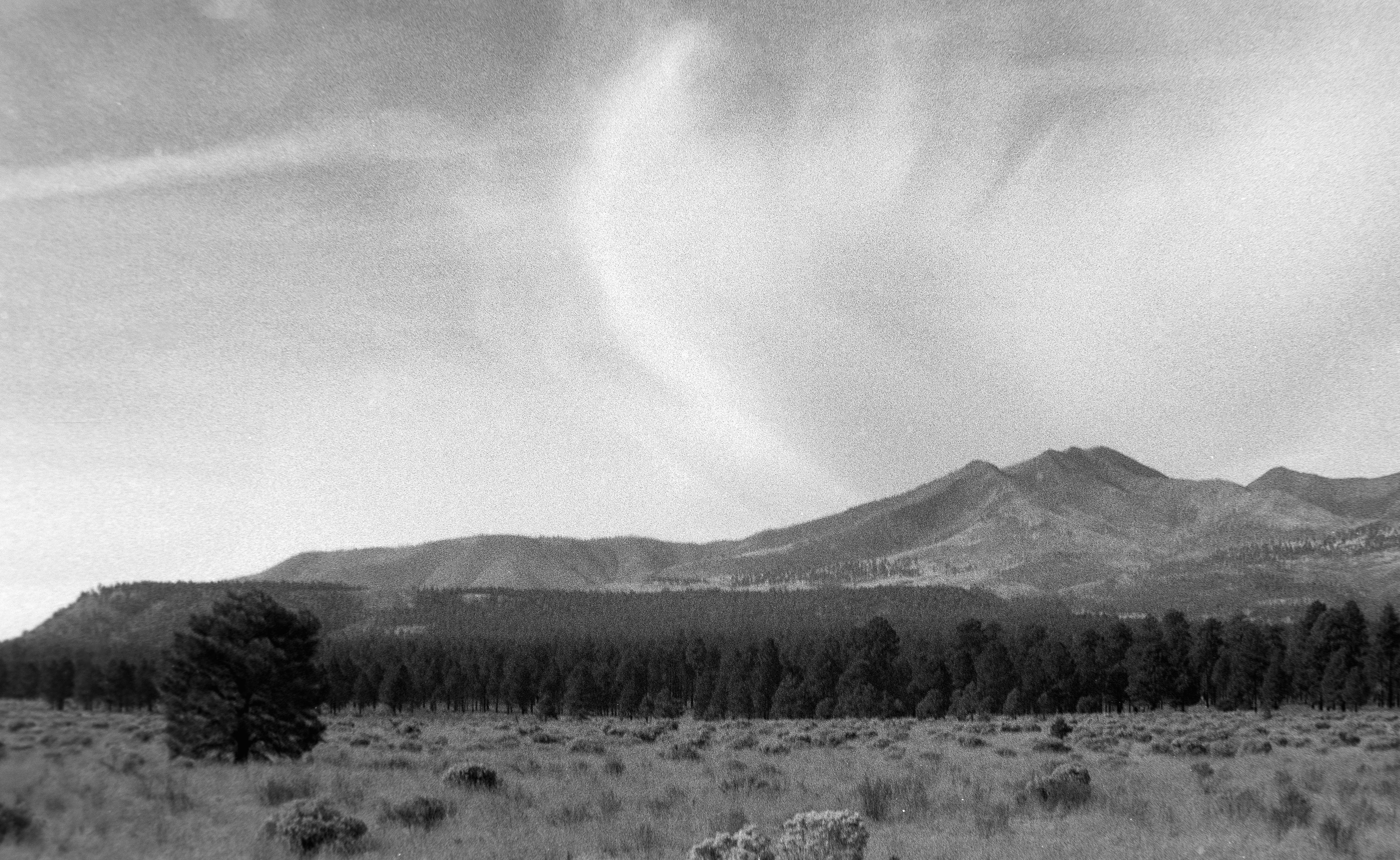
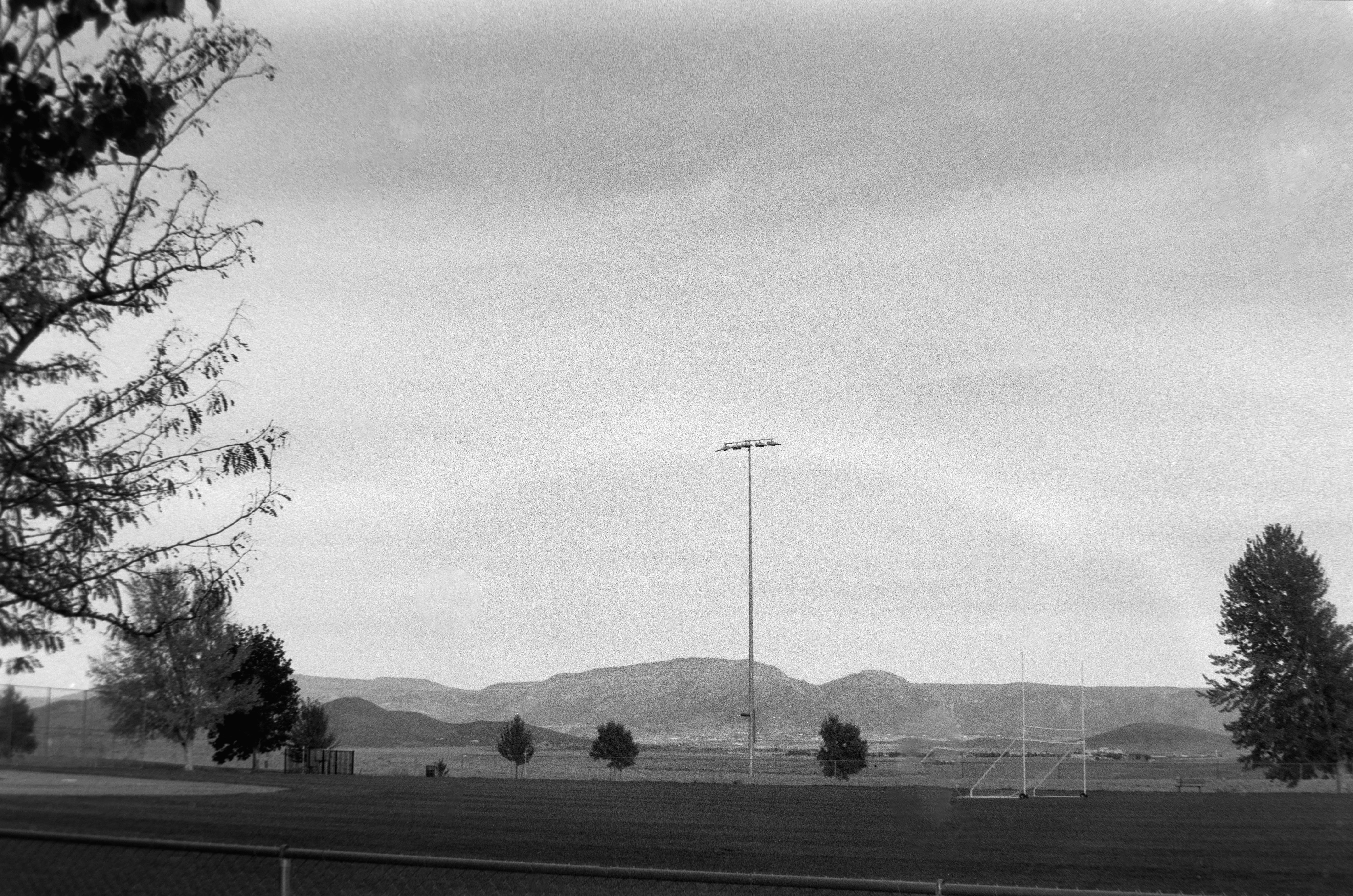
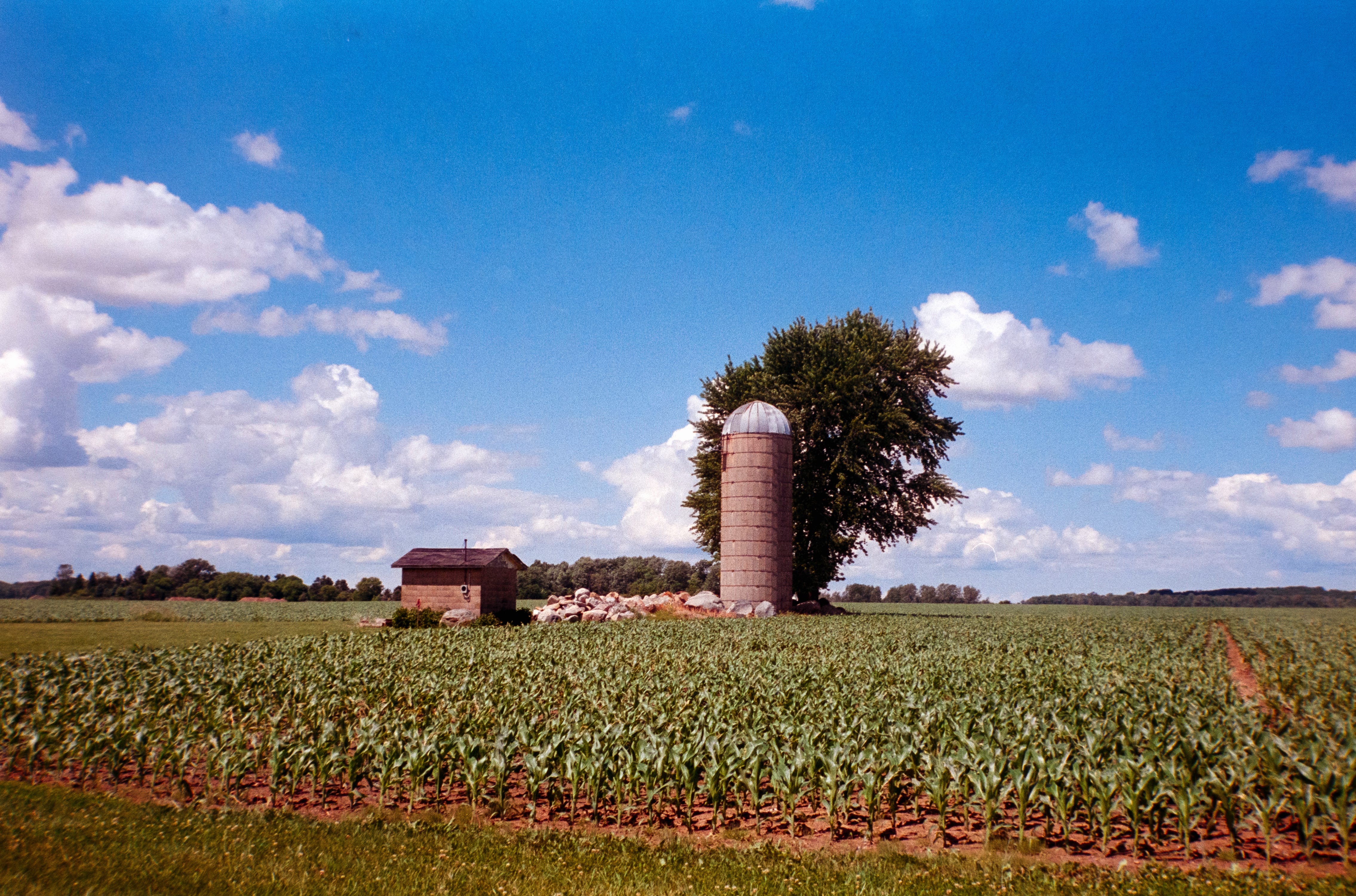
I’ve found that lowering the horizon doesn’t necessarily make the sky more interesting. A blank blue sky is still a blank blue sky, but it gives everything beneath it context. Suddenly the lone gas station isn’t just a gas station. It’s a tiny outpost beneath an endless ceiling. A farmhouse isn’t the subject anymore, it’s surviving underneath something impossibly large. Scale changes emotion, to me at least.
If you really boil it down, I’m doing something incredibly ordinary. There’s nothing groundbreaking about putting the horizon low in the frame. Painters have been doing it forever, landscape photographers have been doing it forever. Every beginner photography article has probably mentioned it somewhere between “don’t cut people off at the knees” and “watch your background.”
Photography has this bad habit of convincing people that originality only comes from breaking rules or that every composition has to reinvent the medium, every photograph needs some elaborate explanation about visual tension and negative space and whatever phrase is making the rounds this week.
Sometimes the answer is much simpler. I just like big skies. That’s it.
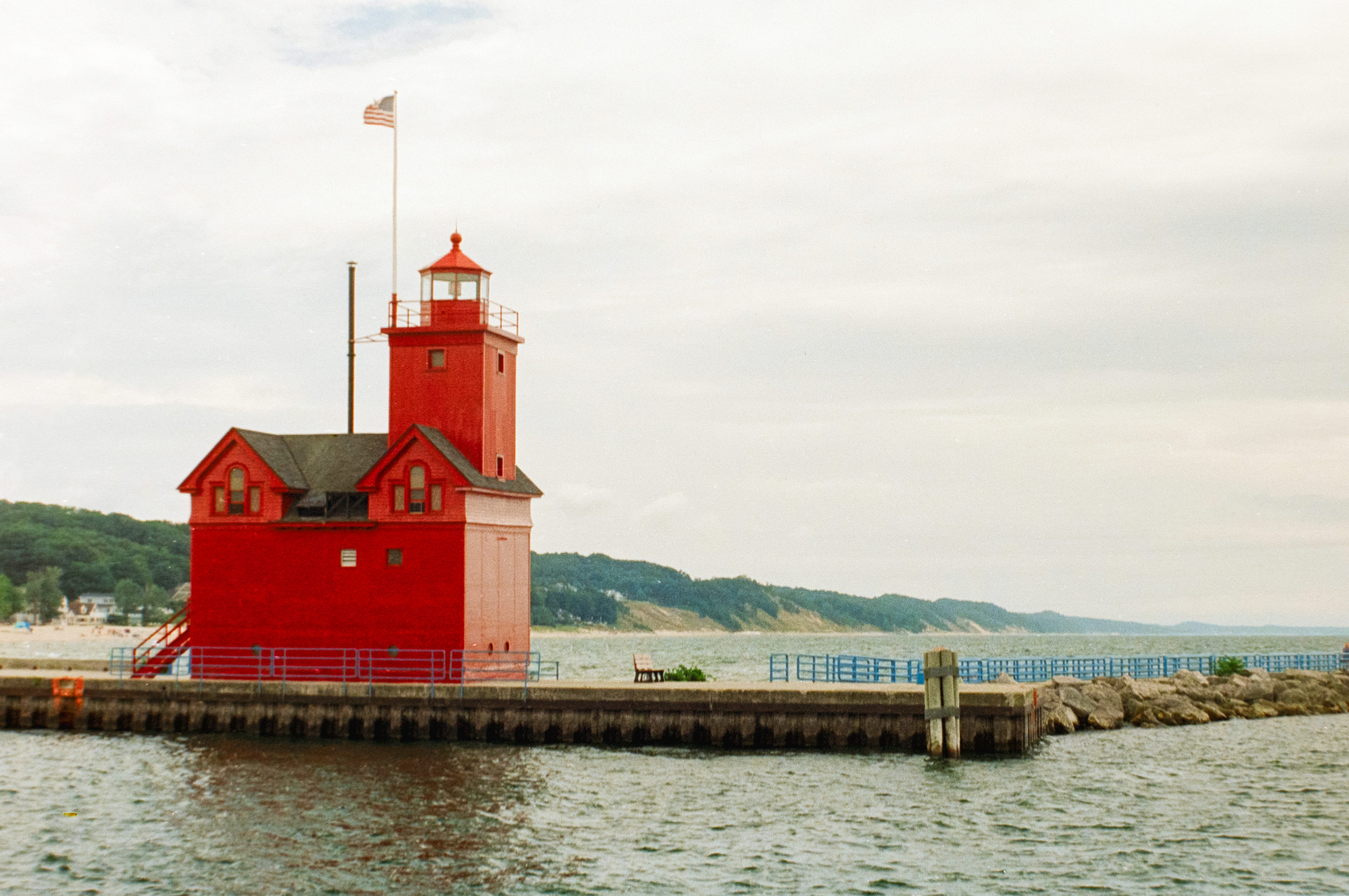
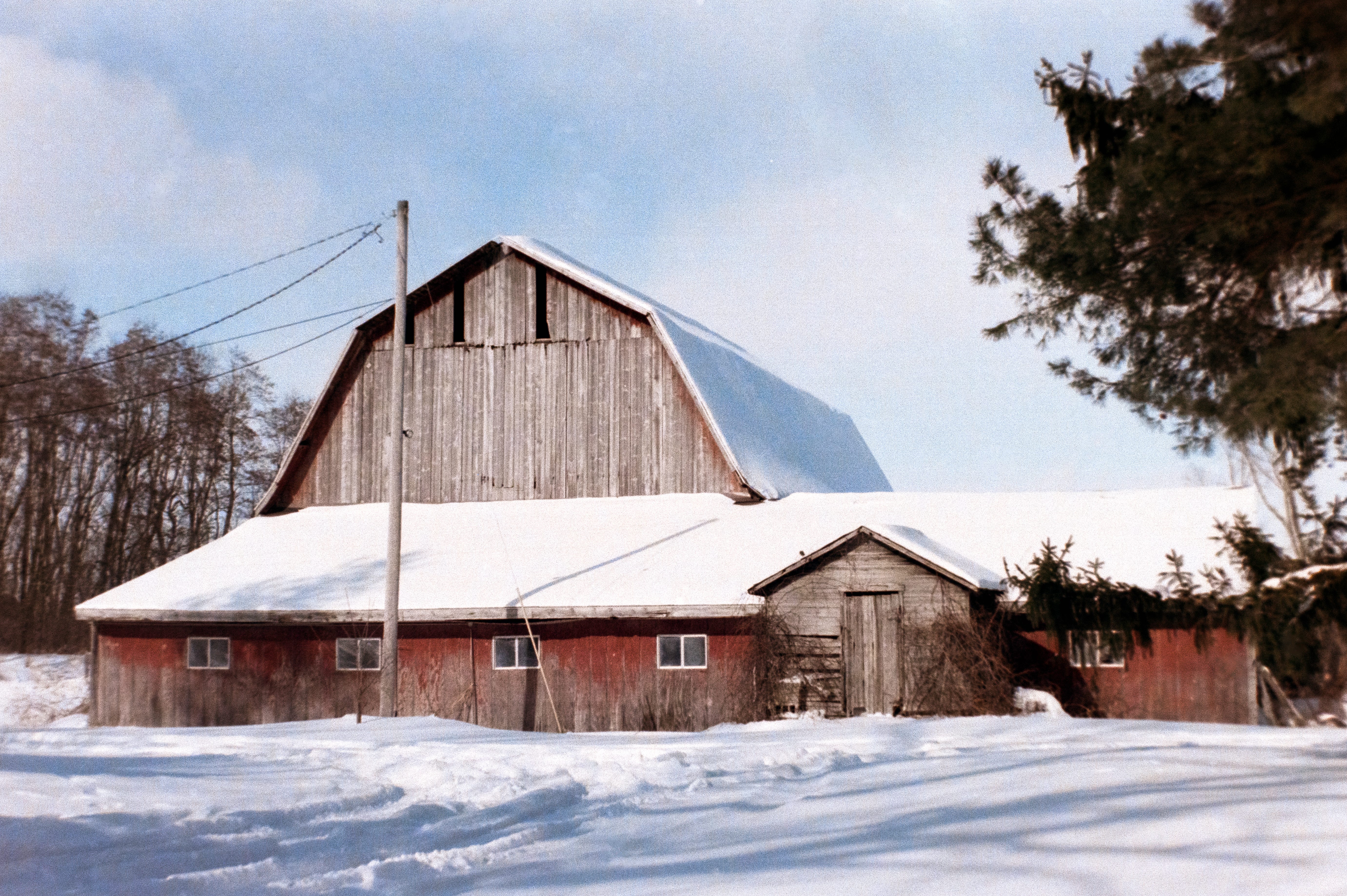
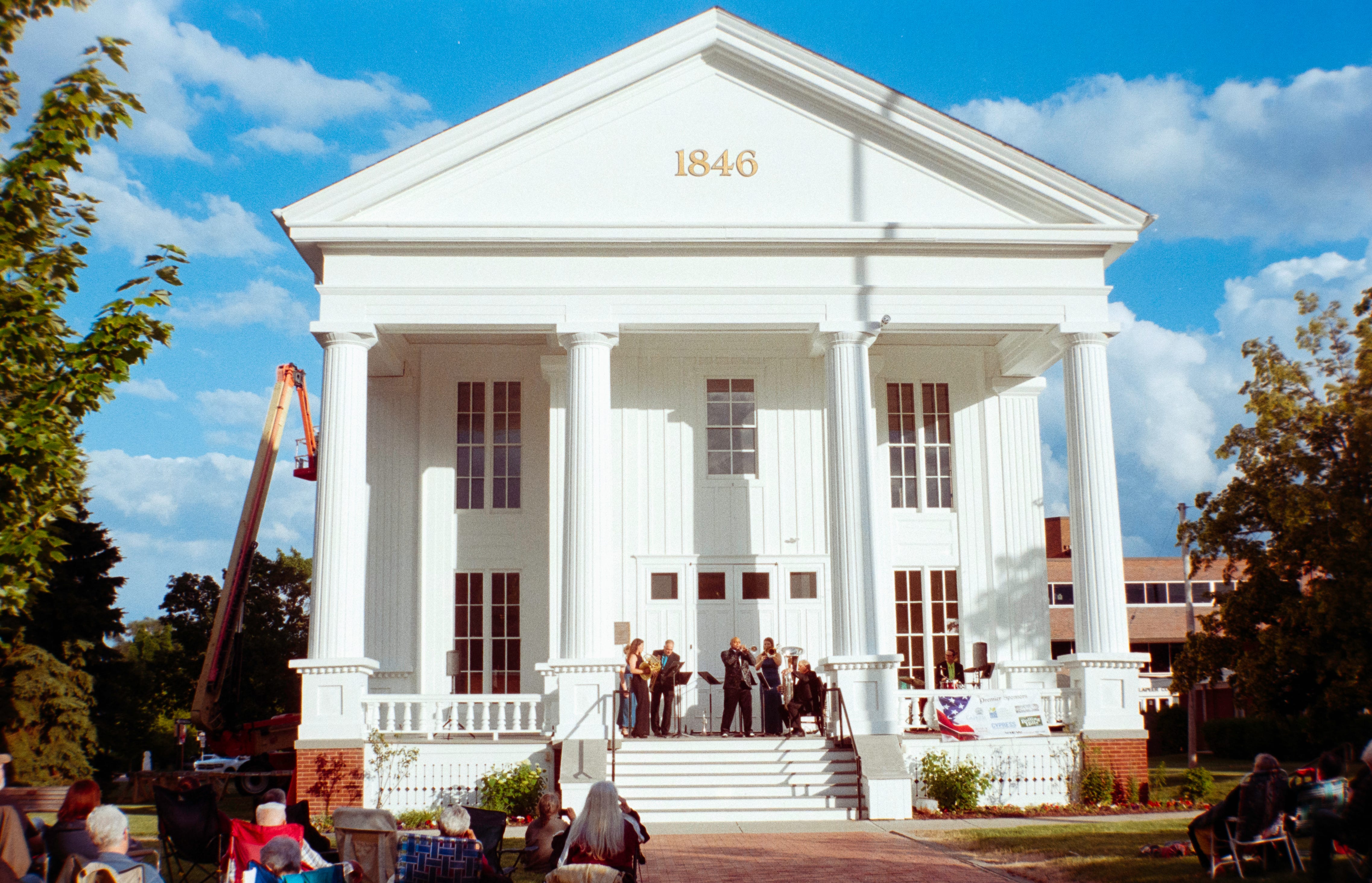
I like how they make old motels look forgotten, how they dwarf grain elevators and lonely churches, and make highways feel like they’re disappearing into somewhere you’ll never quite reach. Maybe that’s why I’m drawn to them. Alternative: maybe I’m just a basic ass photographer.
I like being reminded that we’re small, that every town we build, every abandoned storefront we photograph, every rusted sign we romanticize exists under the same enormous sky that was there long before us and will likely (see also: hopefully) be there long after us.
Maybe that’s why I always leave so much room above everything. The sky becomes less of a backdrop and more of a character, full of towering clouds rolling across the plains. Other times it’s completely empty. Just a flat wash of blue or blown out white with nothing happening at all. Oddly enough, I don’t mind either.
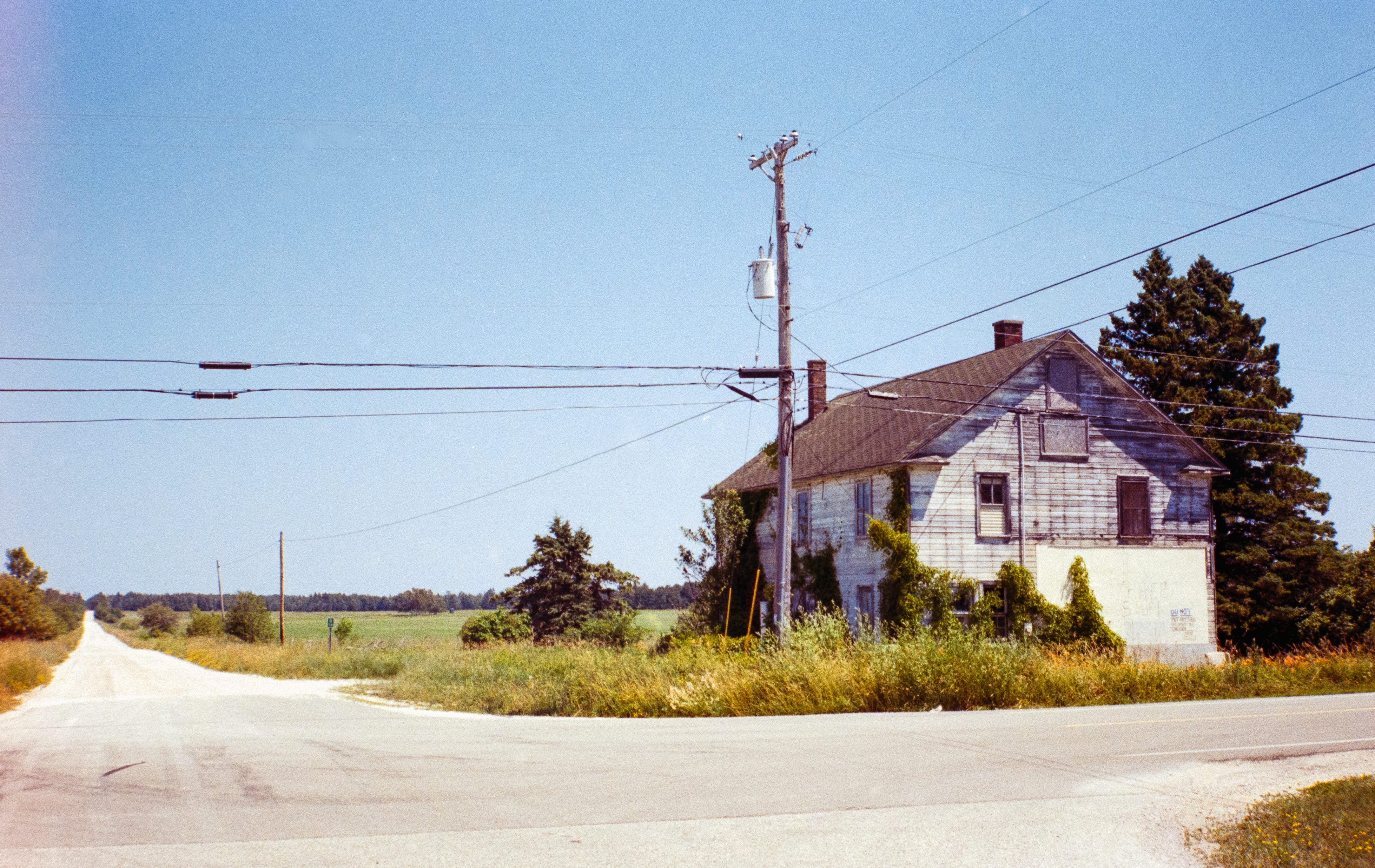
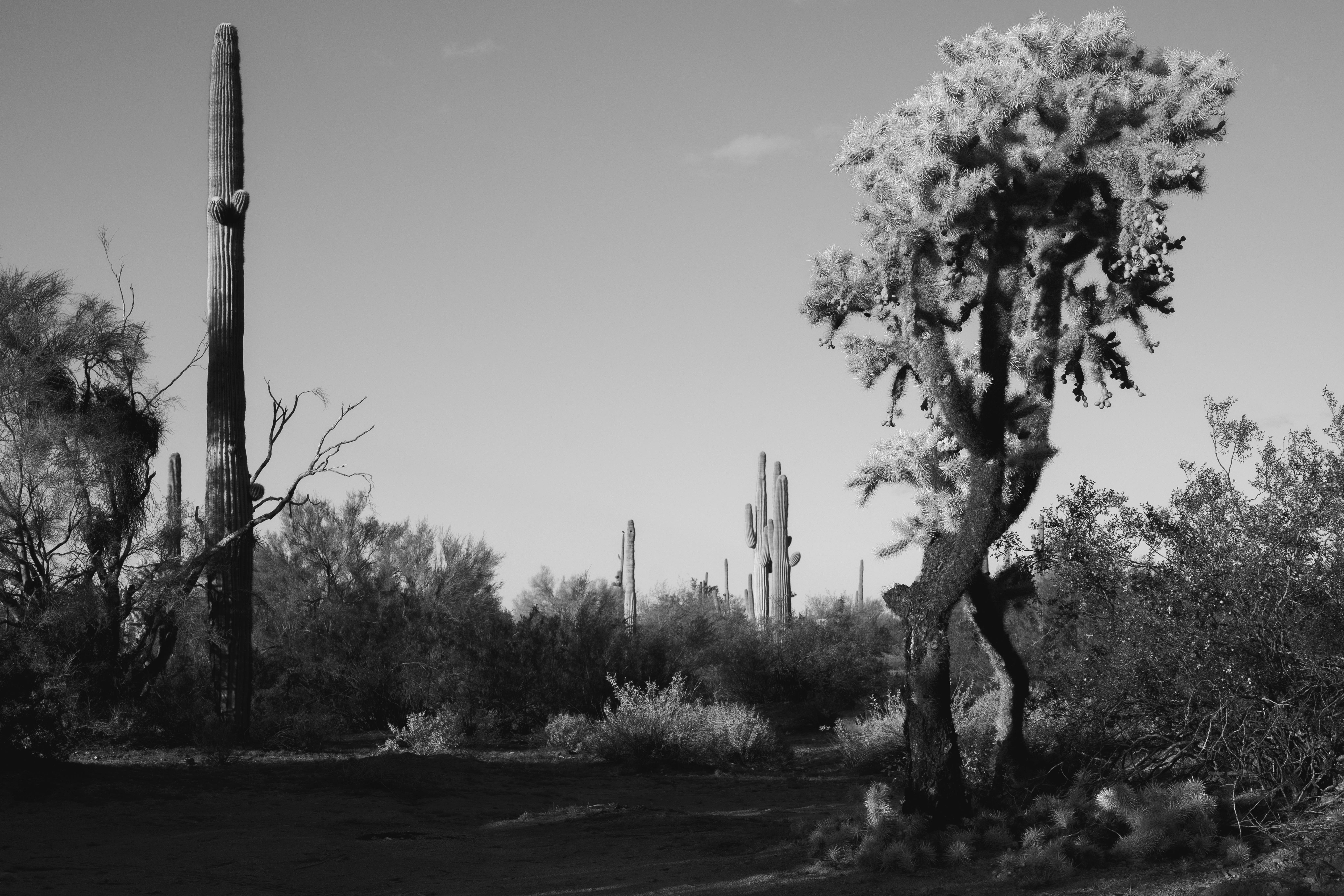
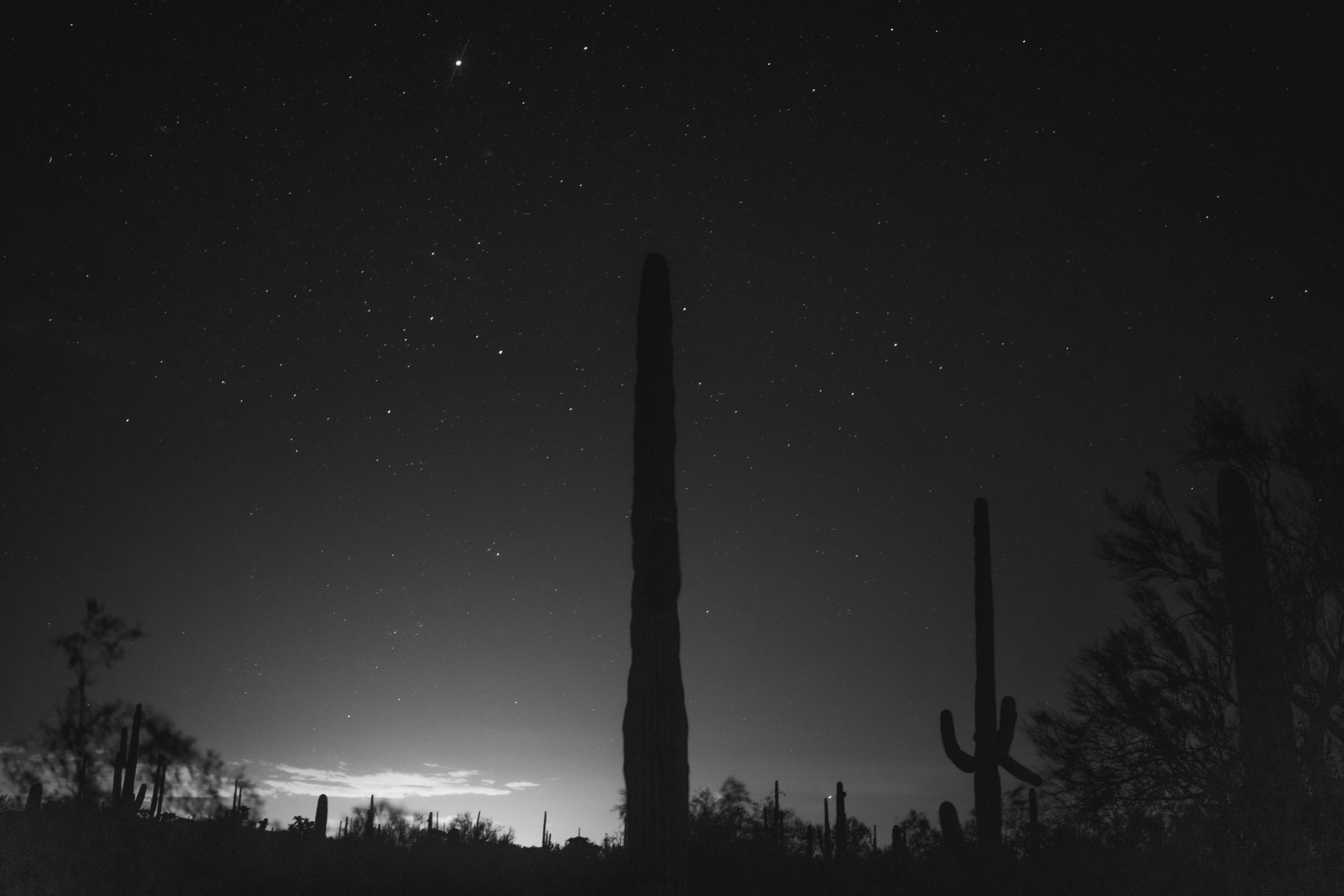
The sky has its own presence and asks the land to carry the story by existing underneath it, no matter how small. You don’t always need spectacles, sometimes the absence of one says more, or enhances it.
I know there are photographers who prefer the opposite. They push the horizon high and let the foreground dominate, looking for texture, details, layers, and intimacy. I love those photographs too. They’re just not the ones I instinctively take, those requires extra thought, and me no think good at times. Without thinking involved, I keep lowering the horizon until the sky starts taking over.
Maybe it’s because I’ve spent years chasing landscape or because I grew up in places where the weather always seemed bigger than the towns. Maybe I just like clouds because they remind me of Super Mario Bros 3.
Whatever the reason, I’ve stopped trying to justify it because I just plain like it.
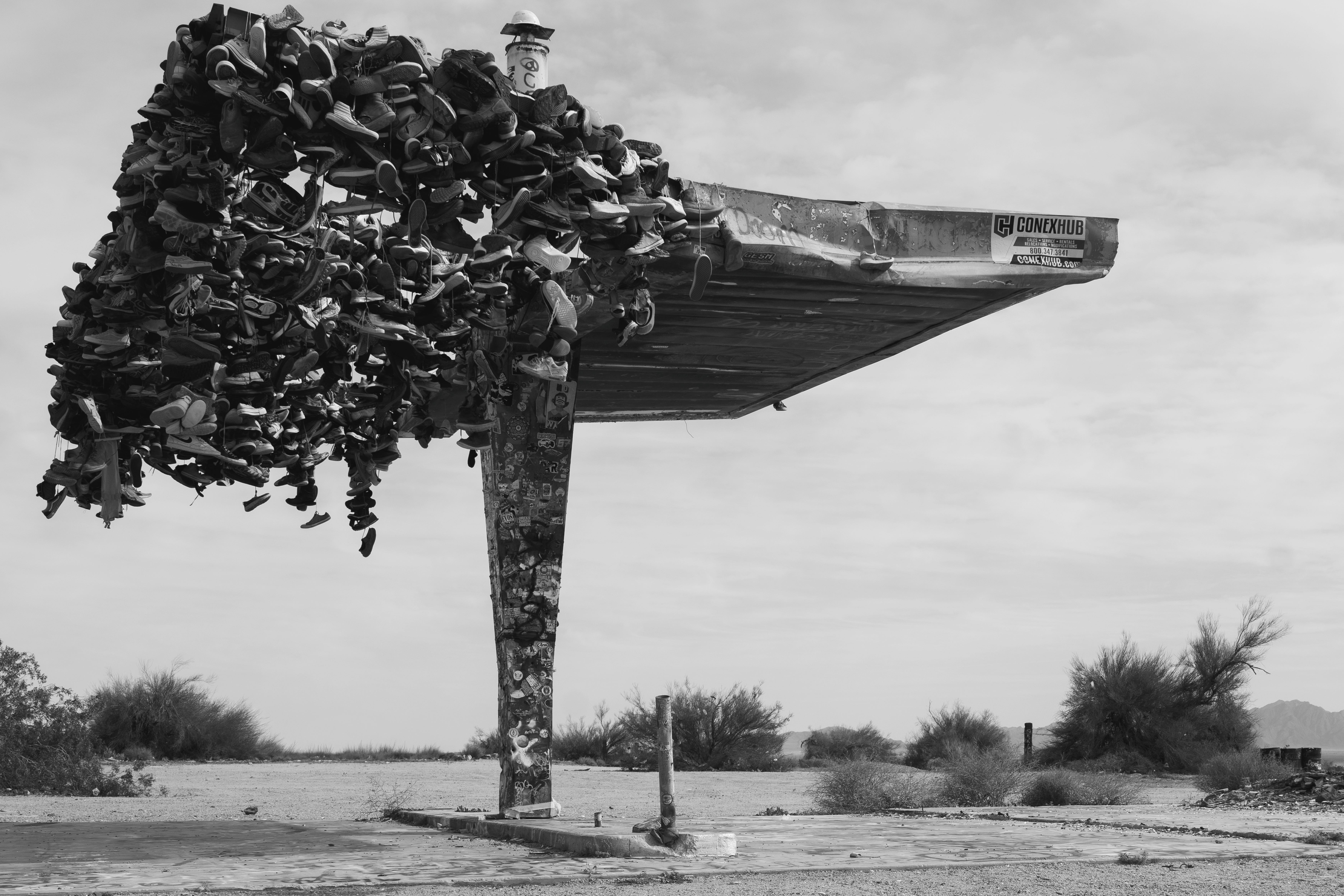
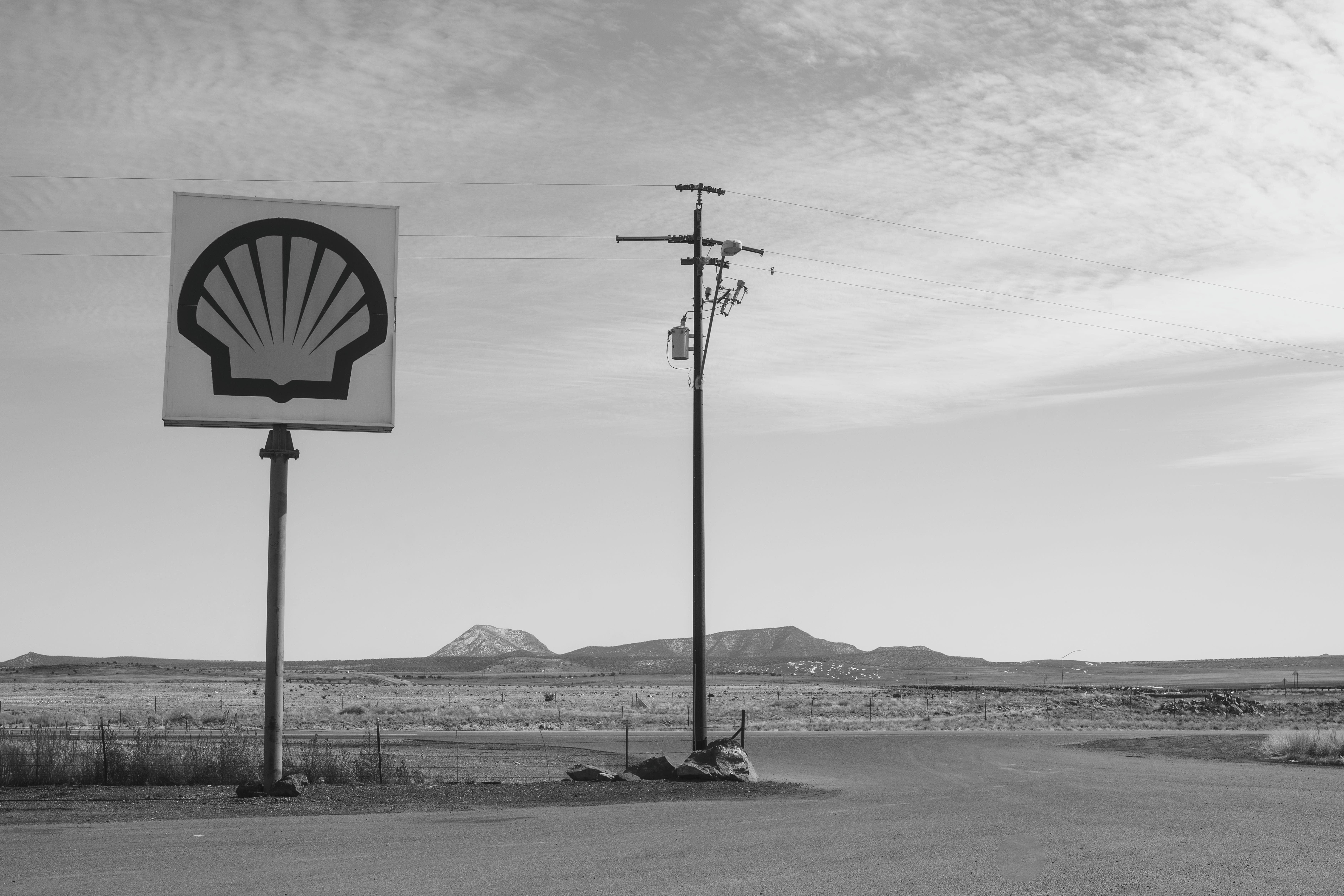
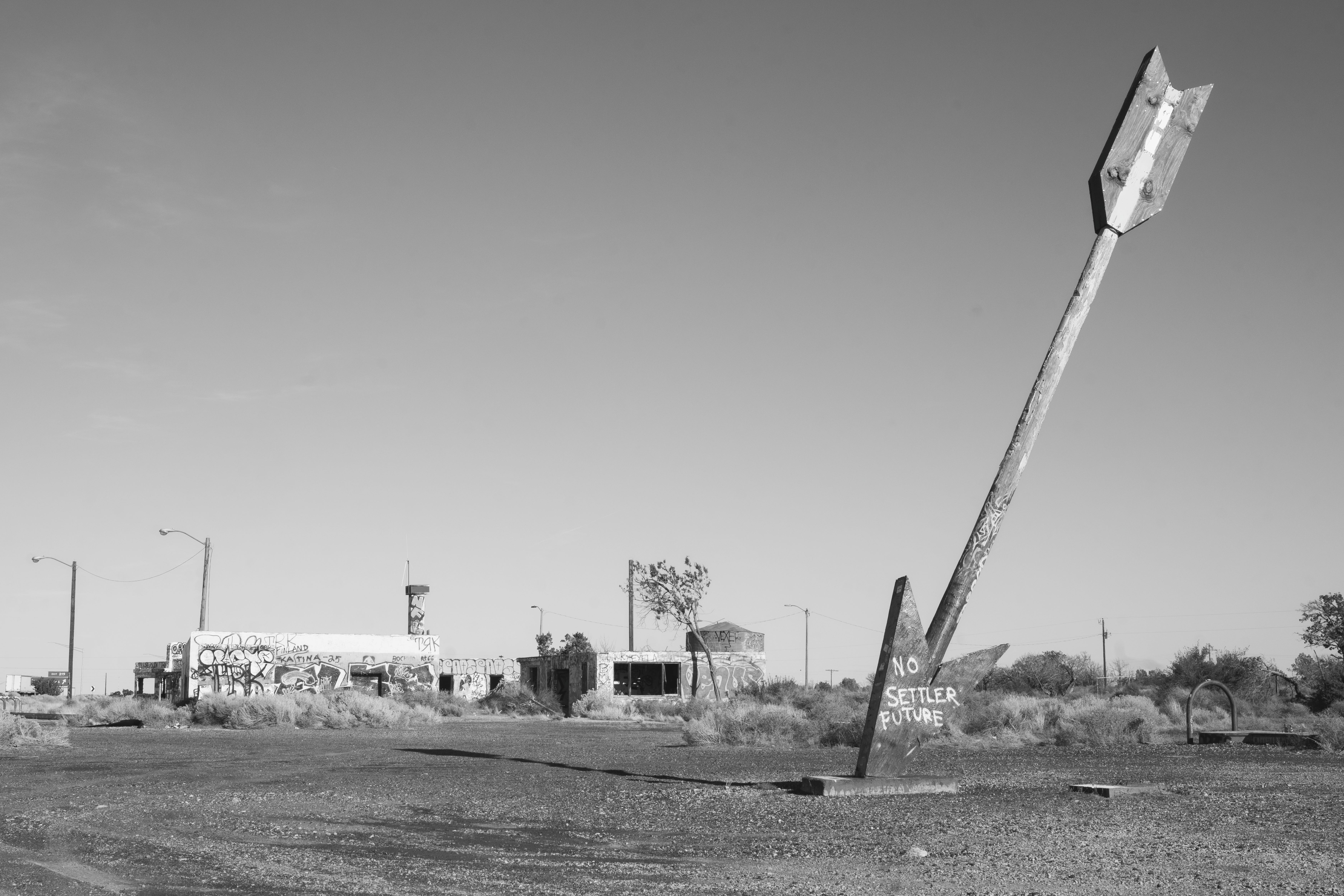
Every photographer eventually develops little signatures that become almost invisible to them. A certain focal length, a way of seeing light, distance they naturally stand from their subjects. We spend years trying to discover our style, only to realize it was following us the entire time.
Mine, apparently, is giving the sky more room than it probably needs. That, and that damn angular shot that I can never seem to escape because the leading lines are just right there for the taking and I’m taking them against my own will.
Every time I look through the viewfinder, I find myself pulling the horizon down just a little farther, making the world a little smaller and the sky a little bigger. I don’t think I’ll ever stop.
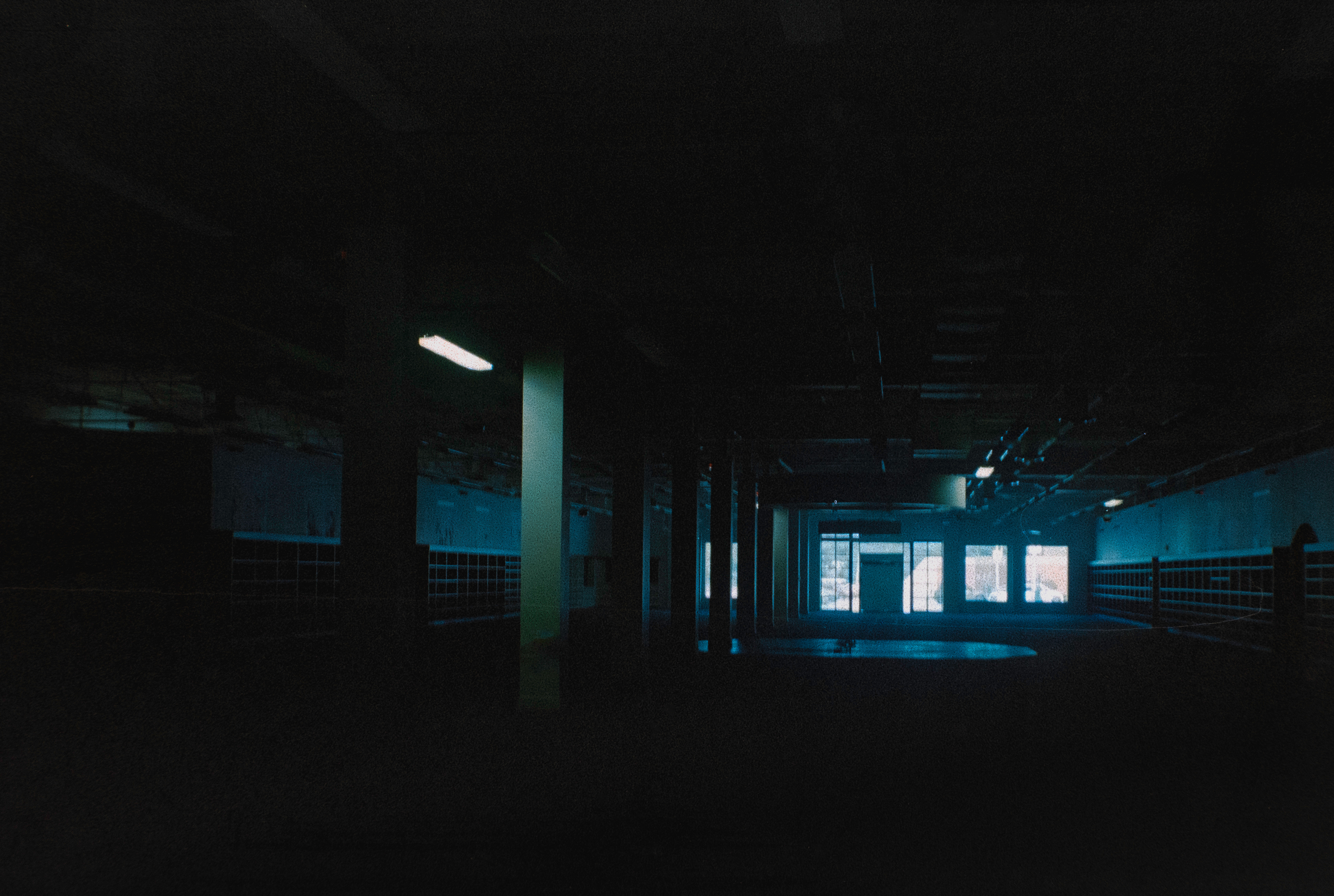
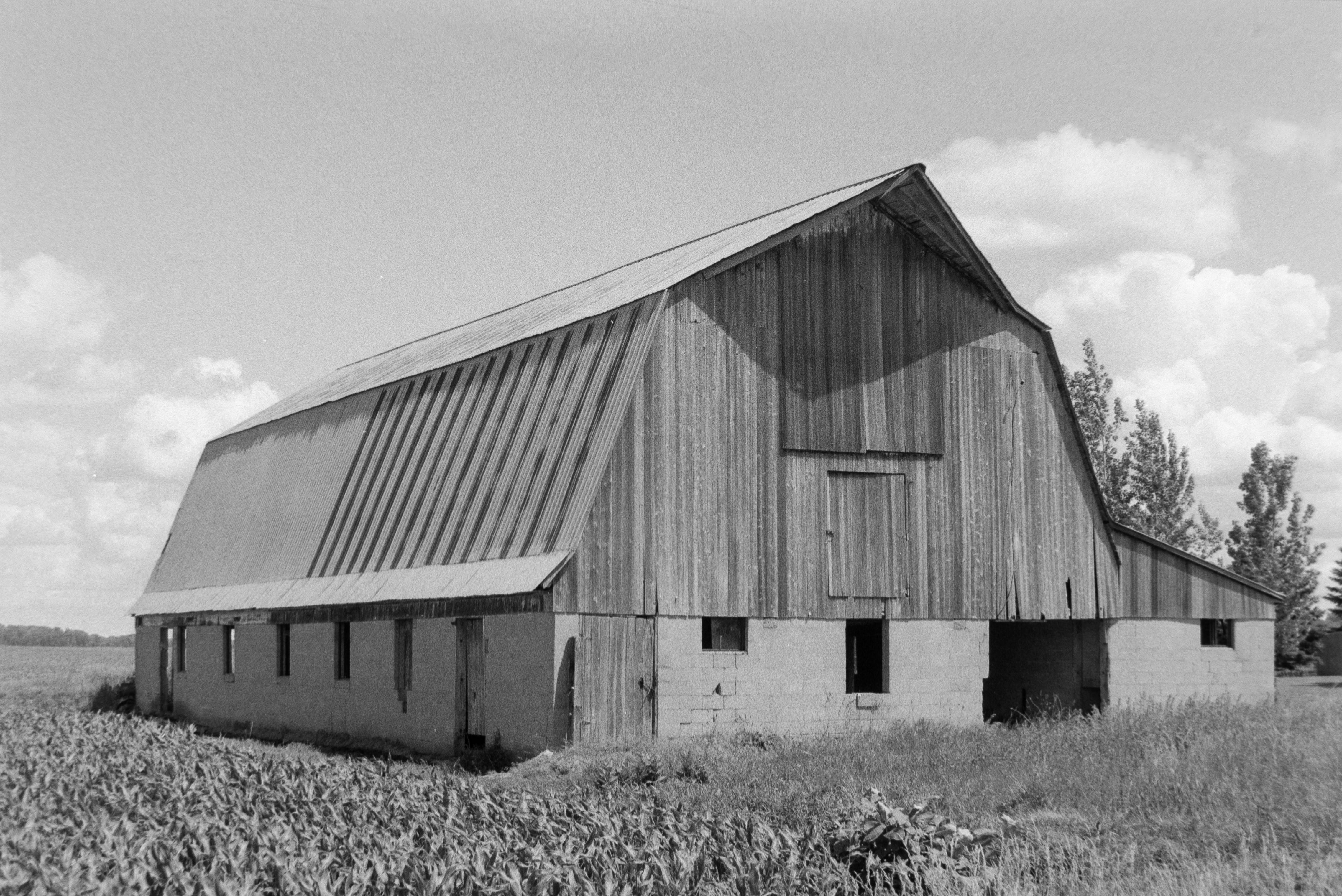
Long live low horizons!
I do agree and thank you for saying all this about how the sky fits into the picture. I recently submitted a photo into a critique group at my camera club. I love the photo so I probably shouldn't have done it. The first thing they did was to cut down the sky and that completely changed how the photo looks... for the worst, in my opinion. It is surprising me how much its really bothering me that they changed it. I love having a good sky in my pictures.