Interstate American Dreams

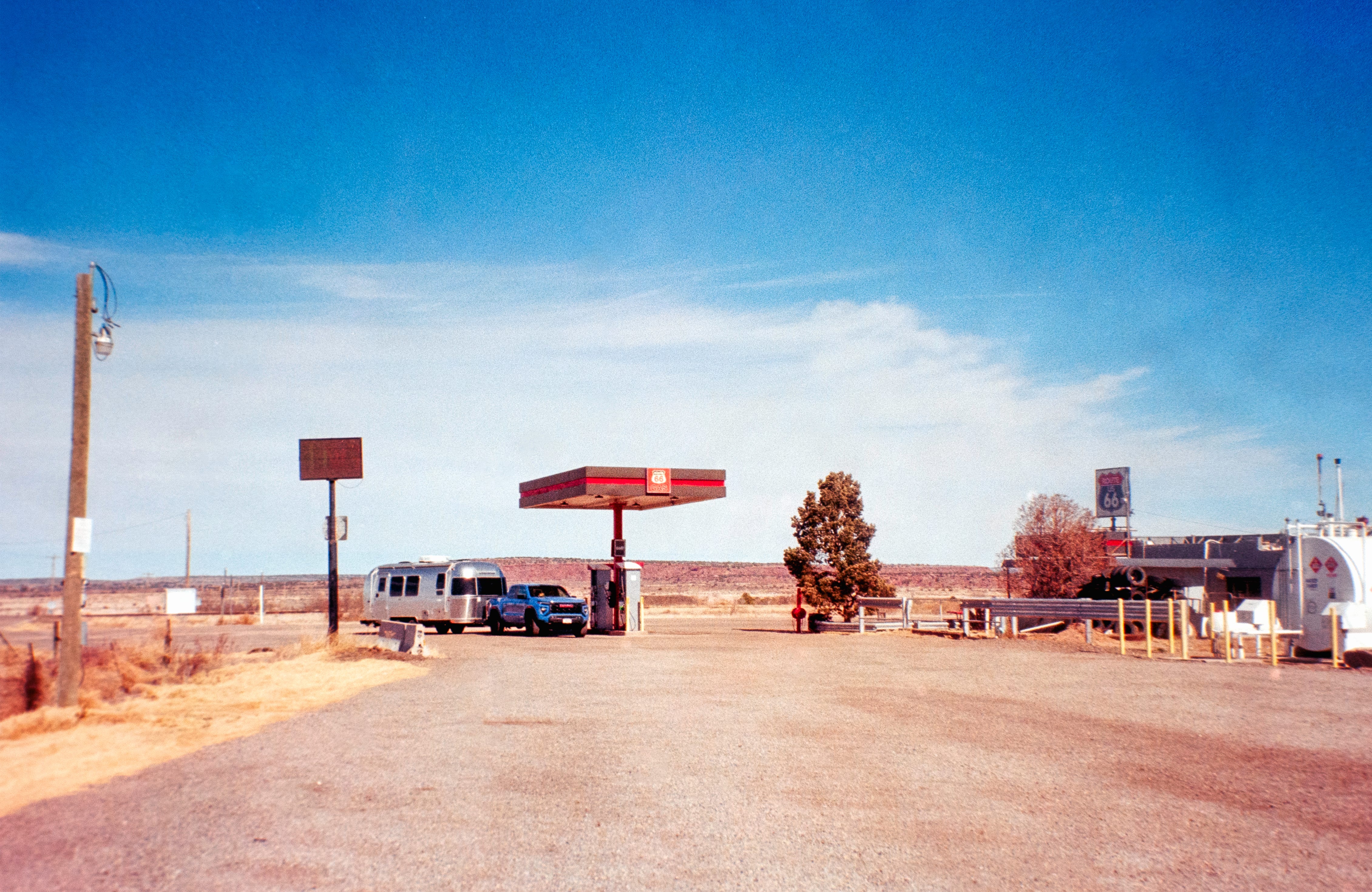
I left Michigan thinking I was finishing something.
“American Halcyon” was supposed to be the quiet book ending to a long photographic meditation of sorts. It was a study of that particular American light that hits a gas station or garage just right at 5:42 p.m. It was the America that was, the one we saw in classic movies and read about in books. The plan was simply to drive west, make the last frames, close the loop. The circuit was complete.
Rather than thinking of the America that was, I spent most of the drive coming to terms with what I was actually seeing. The America that is.
There’s a version of America we inherit before we ever cross it. It’s built from postcards, textbooks, road movies, campaign speeches, and maybe a Springsteen song if you grew up that way. Big sky. Open road. Towns that feel like they’re in a kind of suspended animation, but not abandoned. The halcyon idea of being calm, golden, self assured, a time that probably never really existed but we were told did through the media.
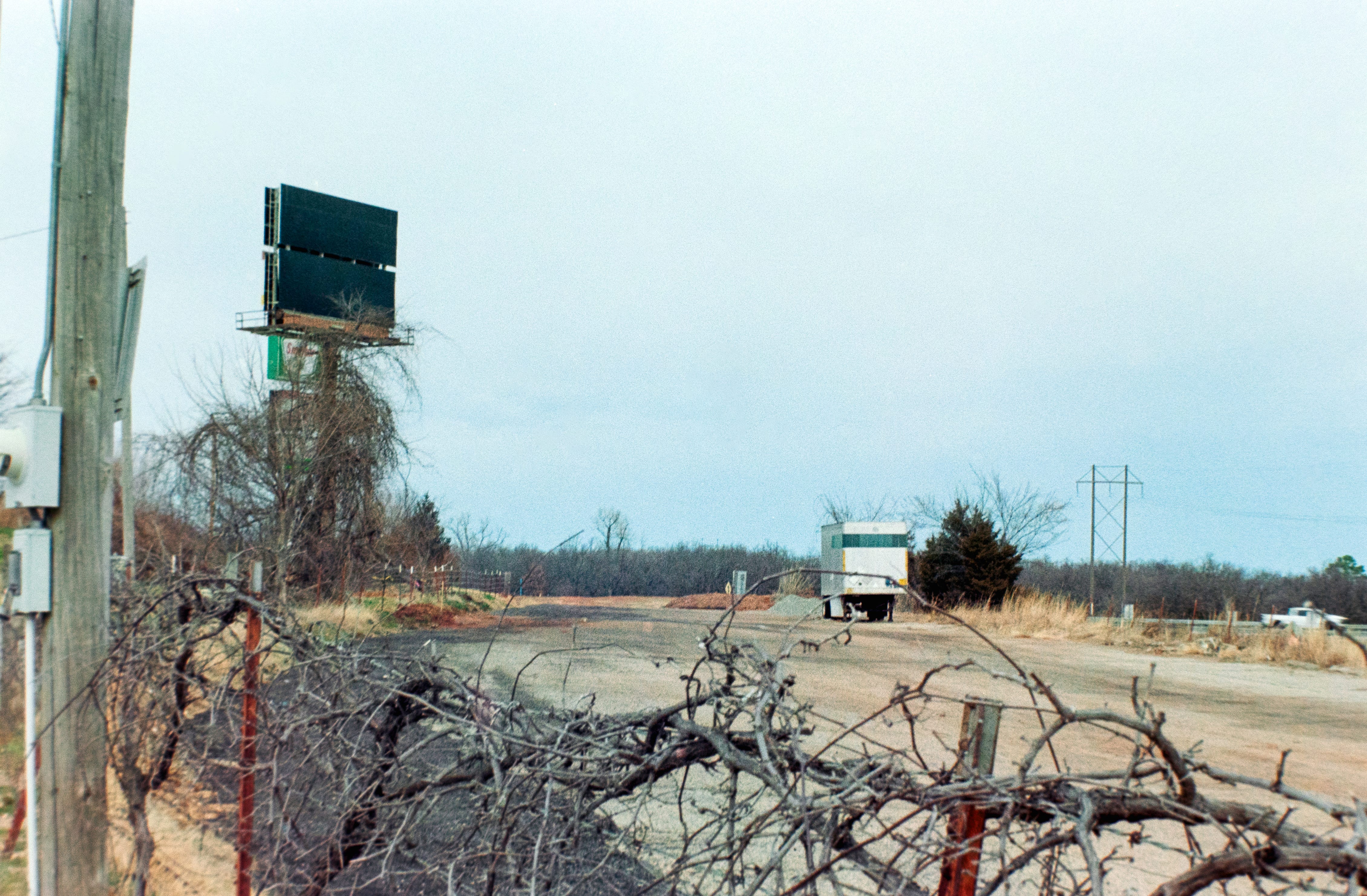
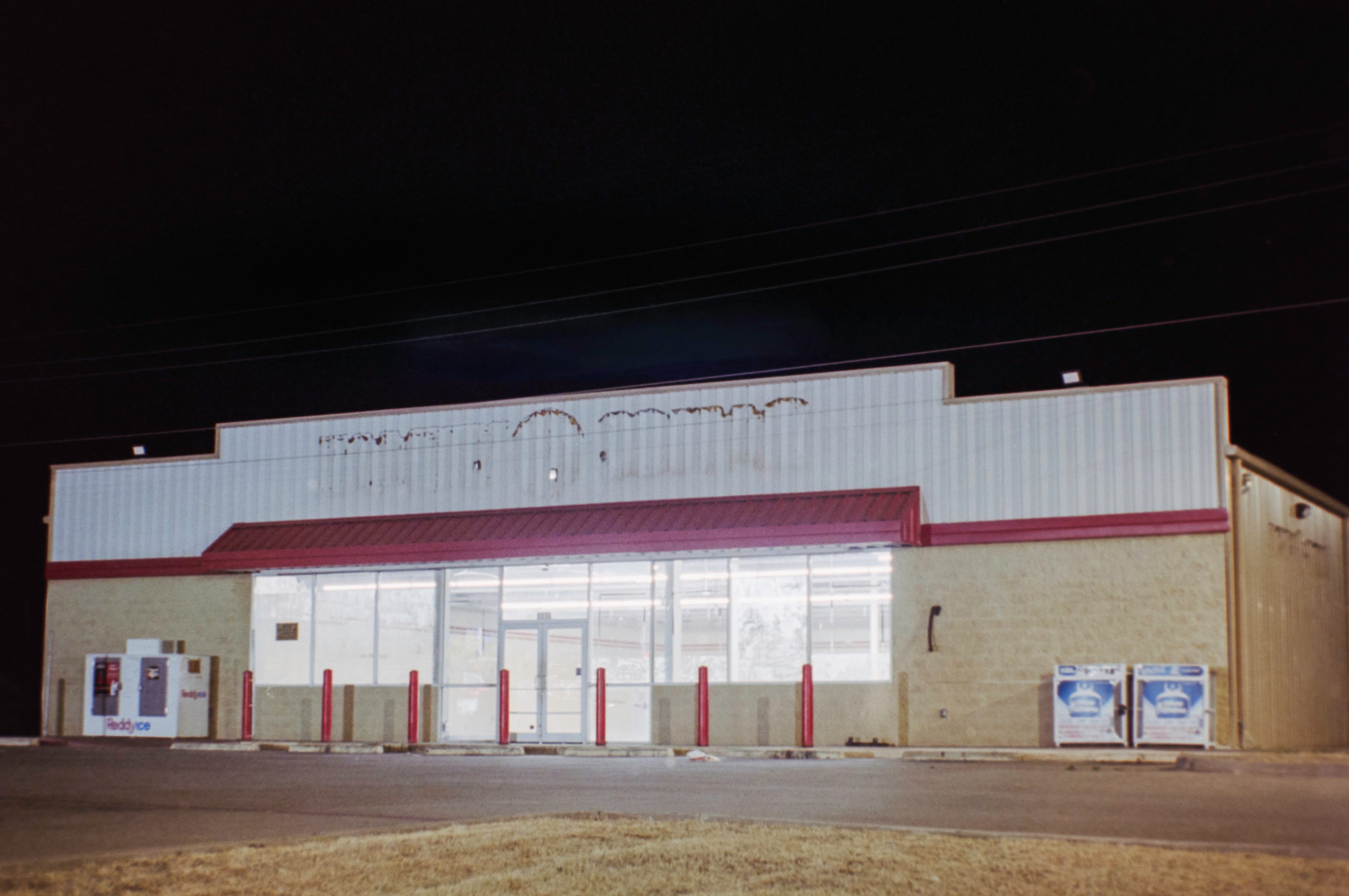
Somewhere between Michigan and California, that version in my mind started to flicker.
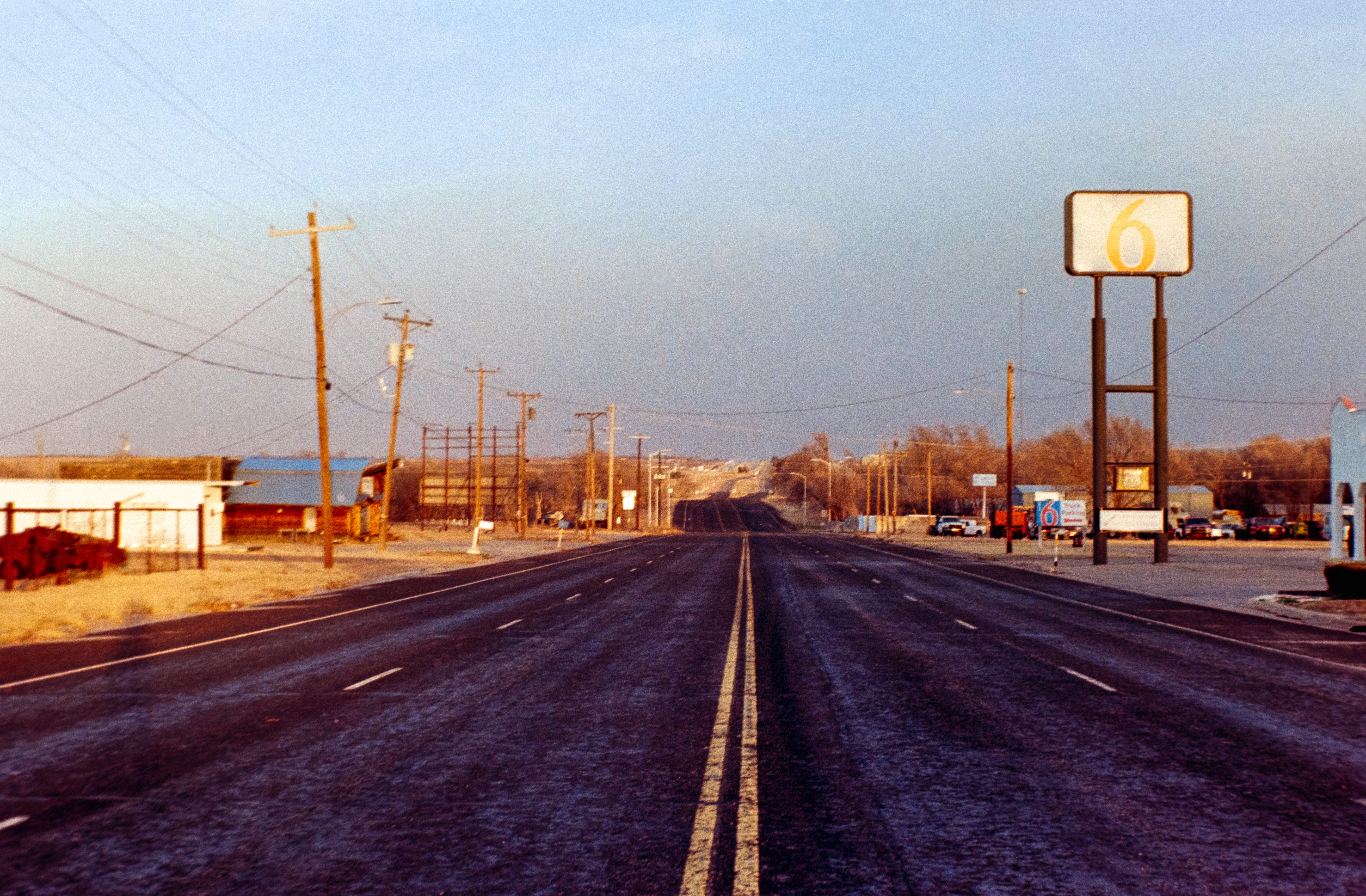
It wasn’t a dramatic single moment or a cinematic collapse into sobs. It was slower than that, a series of exits that felt wrong or a main street with more plywood than glass. Bridges that hummed with the sound of missed maintenance and roads that physically assaulted my suspension system like a Muay Thai head kick. Motels whose vacancy signs weren’t charming, they were permanent and unlit. The neon tubes broke in 1994 and nobody could afford to replace them. The residents were long term and week to week.
I expected decay in pockets, but what I didn’t expect was how consistent those pockets were. At what point do pockets become the overwhelming majority, because I think we’re close to that?
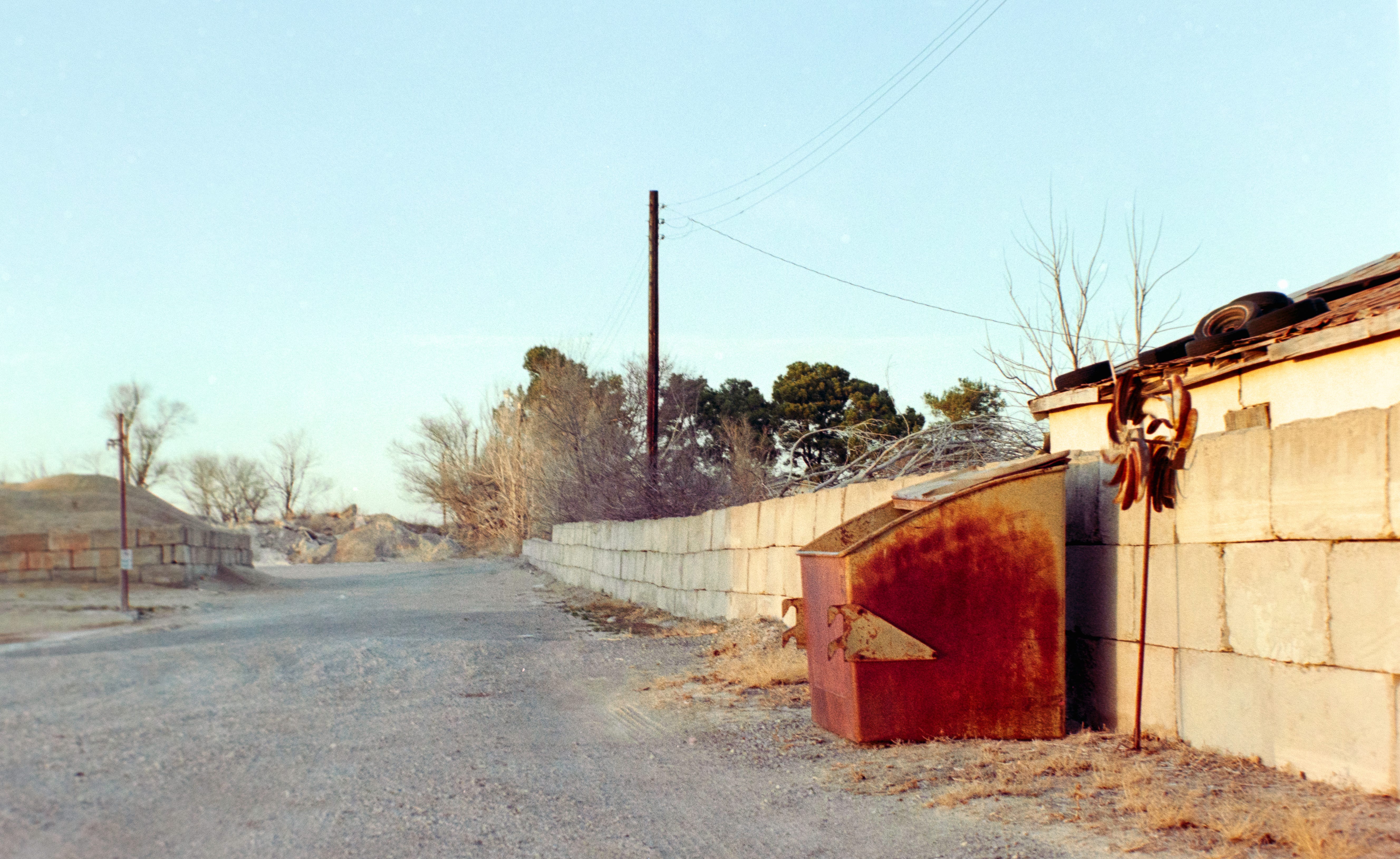
The most honest thing I can say is that the poverty wasn’t hidden. It wasn’t tucked away behind industrial zones or confined to neighborhoods you only find if you’re looking. It was along the interstate. It was in plain view on main street and woven into the frame whether I wanted it there or not.
And then there was Oklahoma. Oklahoma was the hardest stretch for me.
It felt like someone had taken the kind of infrastructural fatigue I’ve seen in places like Flint, Michigan with the boarded storefronts, the exhausted roads, the sense of long promises gone quiet, and simply stretched it across miles instead of blocks.
The scale is what unsettled me.
In Flint, the story is concentrated to one city. You can point to it and name it. It has history, headlines, accountability, but in parts of Oklahoma, it felt more diffused. It was not one catastrophic failure, but a slow, wide thinning. Town after town where the optimism seemed to have drained out gradually rather than all at once.
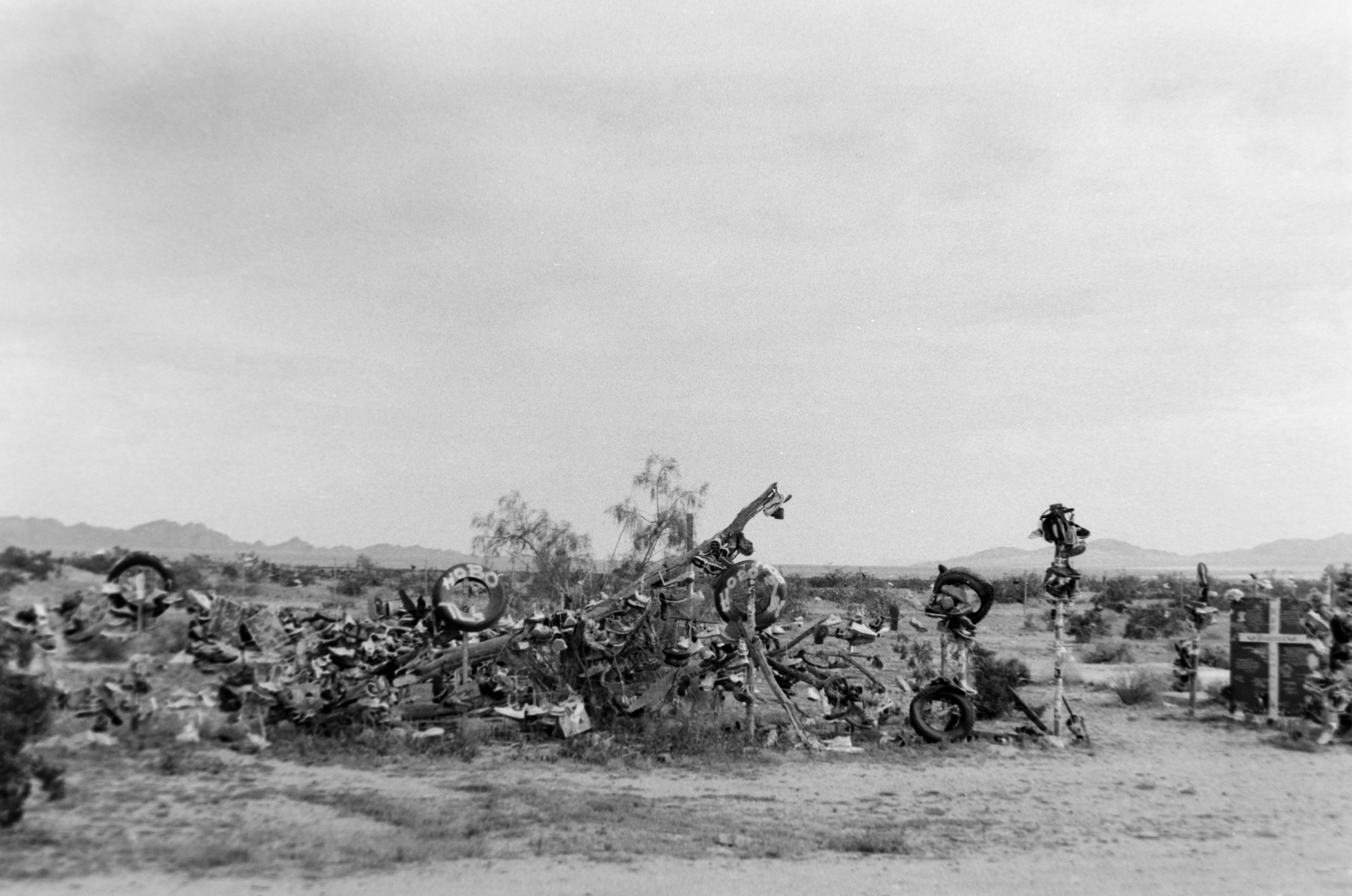
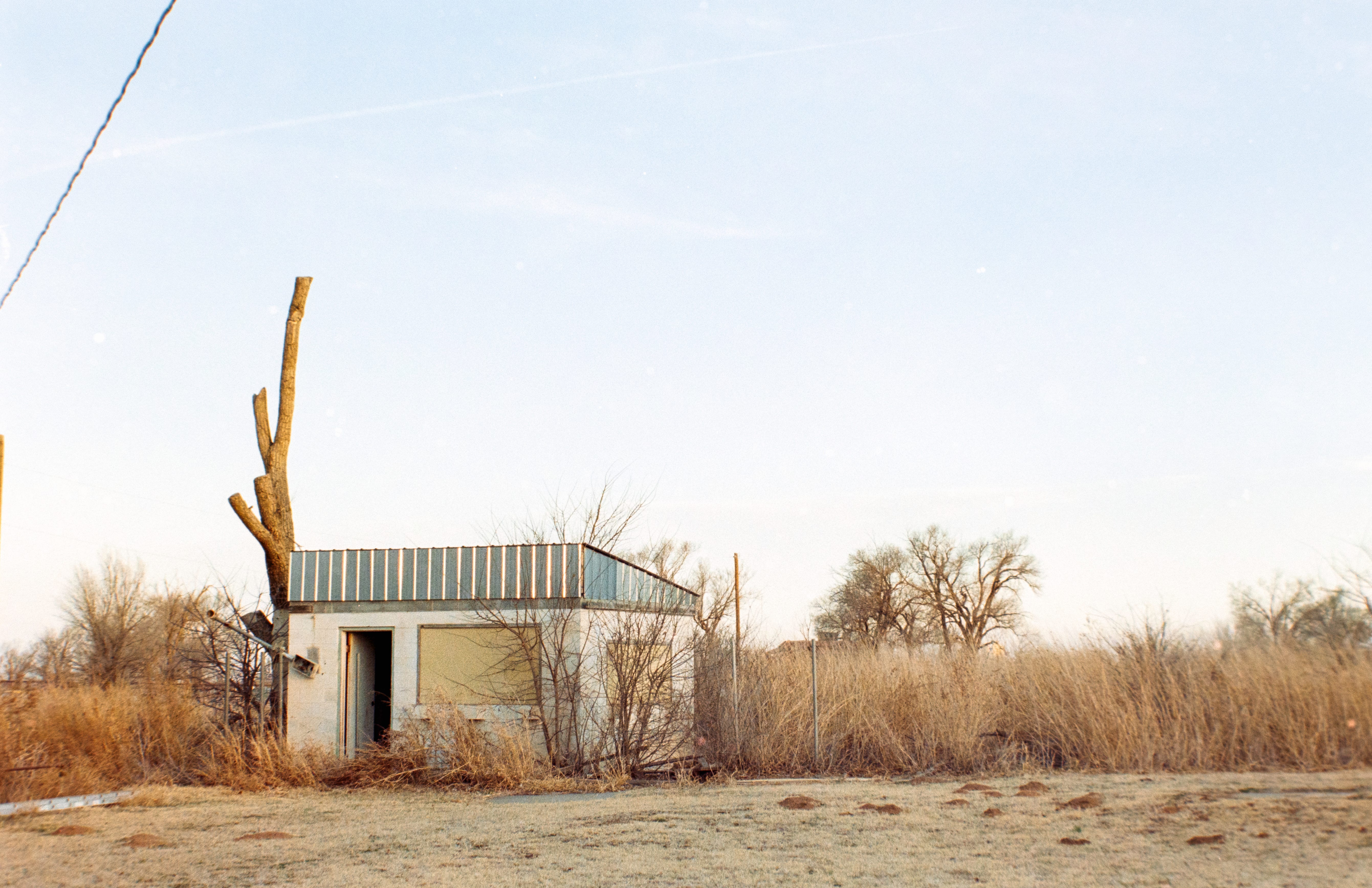
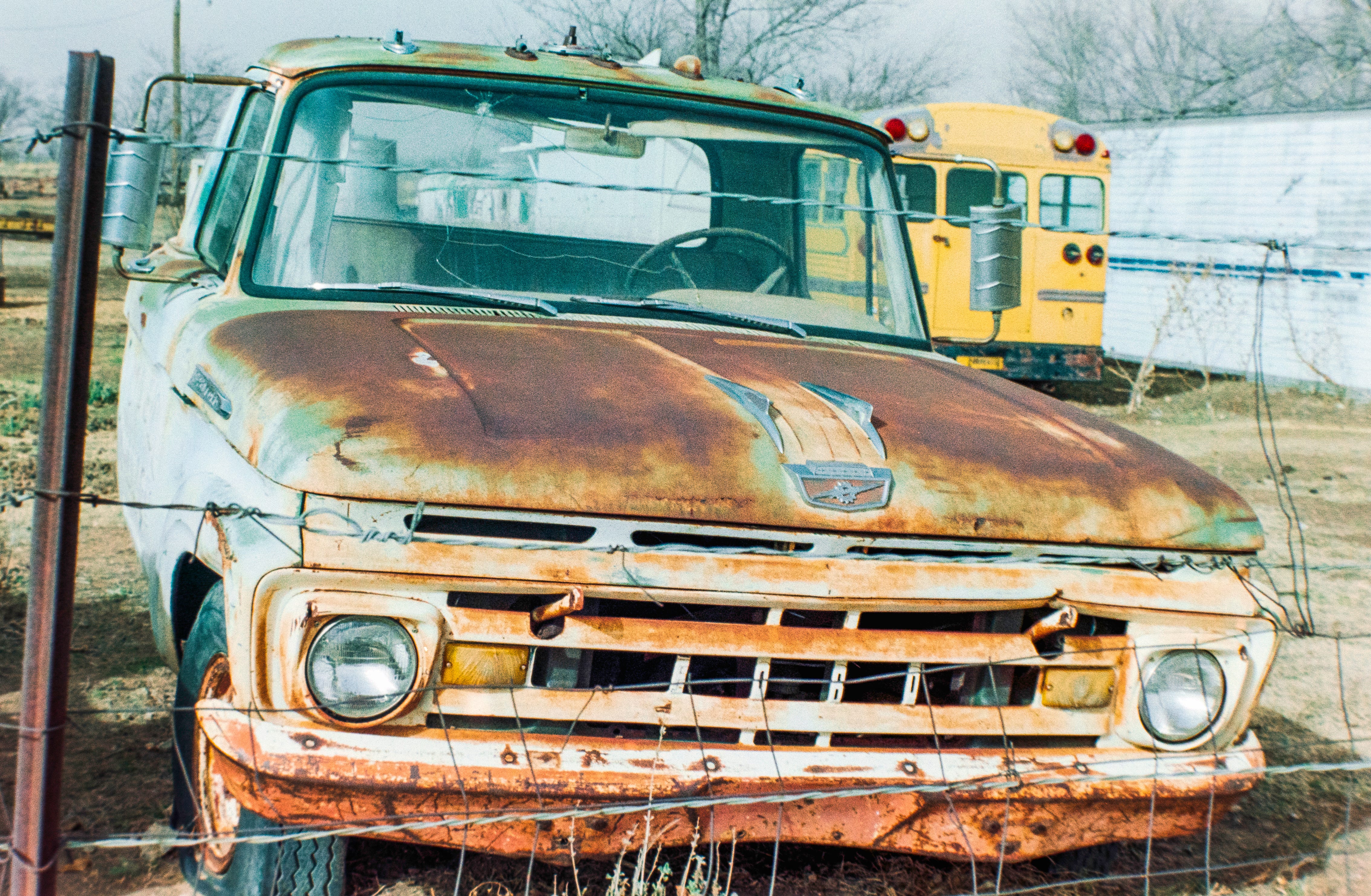
The same sagging overpasses, vacant lots where something clearly used to matter to someone. Boarded up ventures that never had a chance. The same feeling that the infrastructure had been built for a future that never quite arrived or passed too quickly.
People were somehow still there. Living, working, holding it together in ways that don’t show up in a quick roadside judgment or a Google Maps review.
That tension stayed with me for a long time.
It’s one thing to photograph a known crisis. It’s another to drive through a place where the crisis feels normalized. It’s not dramatic enough for headlines, but too persistent to ignore and if it happens slowly enough, nobody notices. Frog in the boiling pot and all that.
Oklahoma wasn’t “the worst” in a competitive sense. It was the point in the drive where I could no longer pretend this was isolated. It was where the pattern became, undeniably, an epidemic.
After that, I stopped chasing a specific tone.
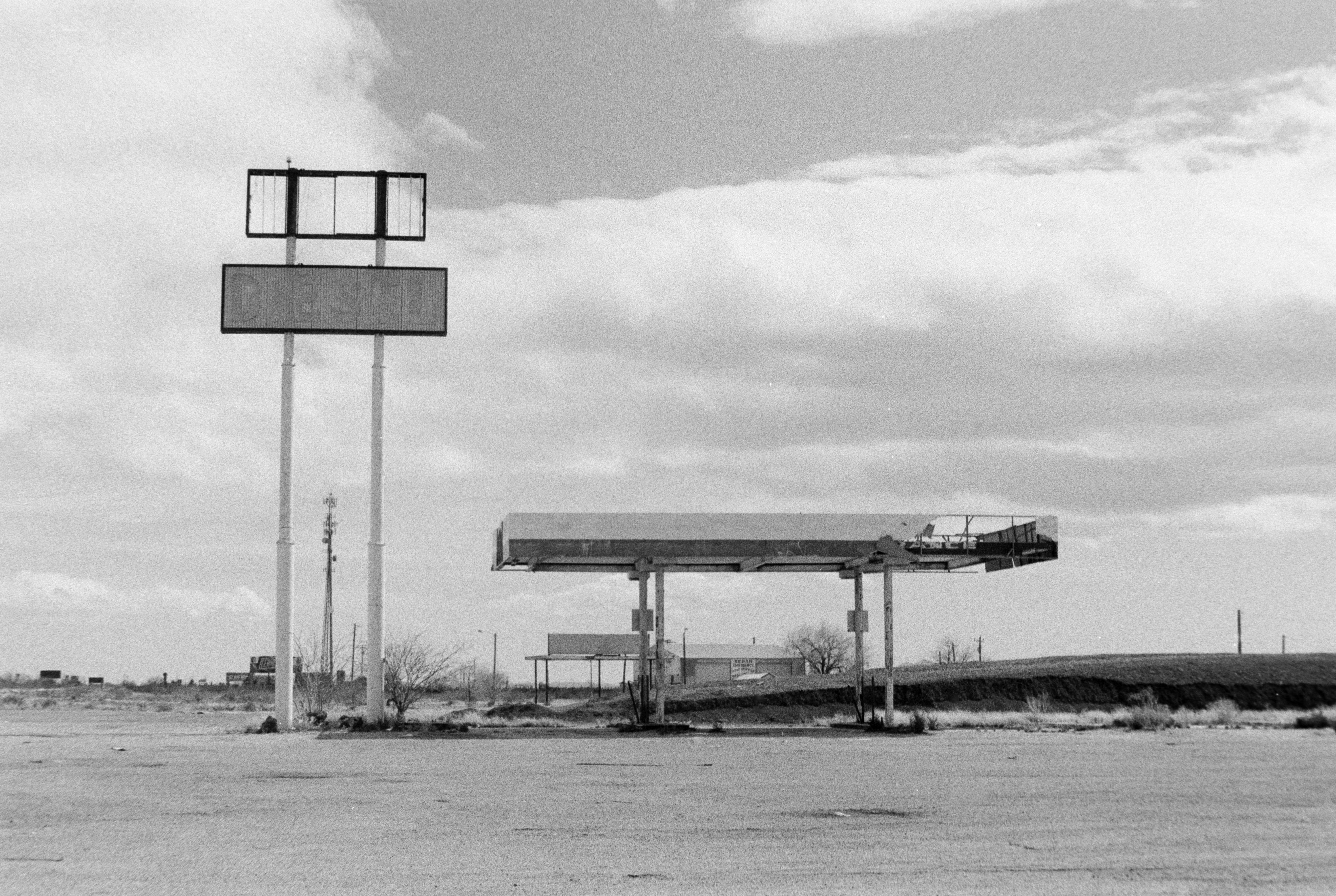
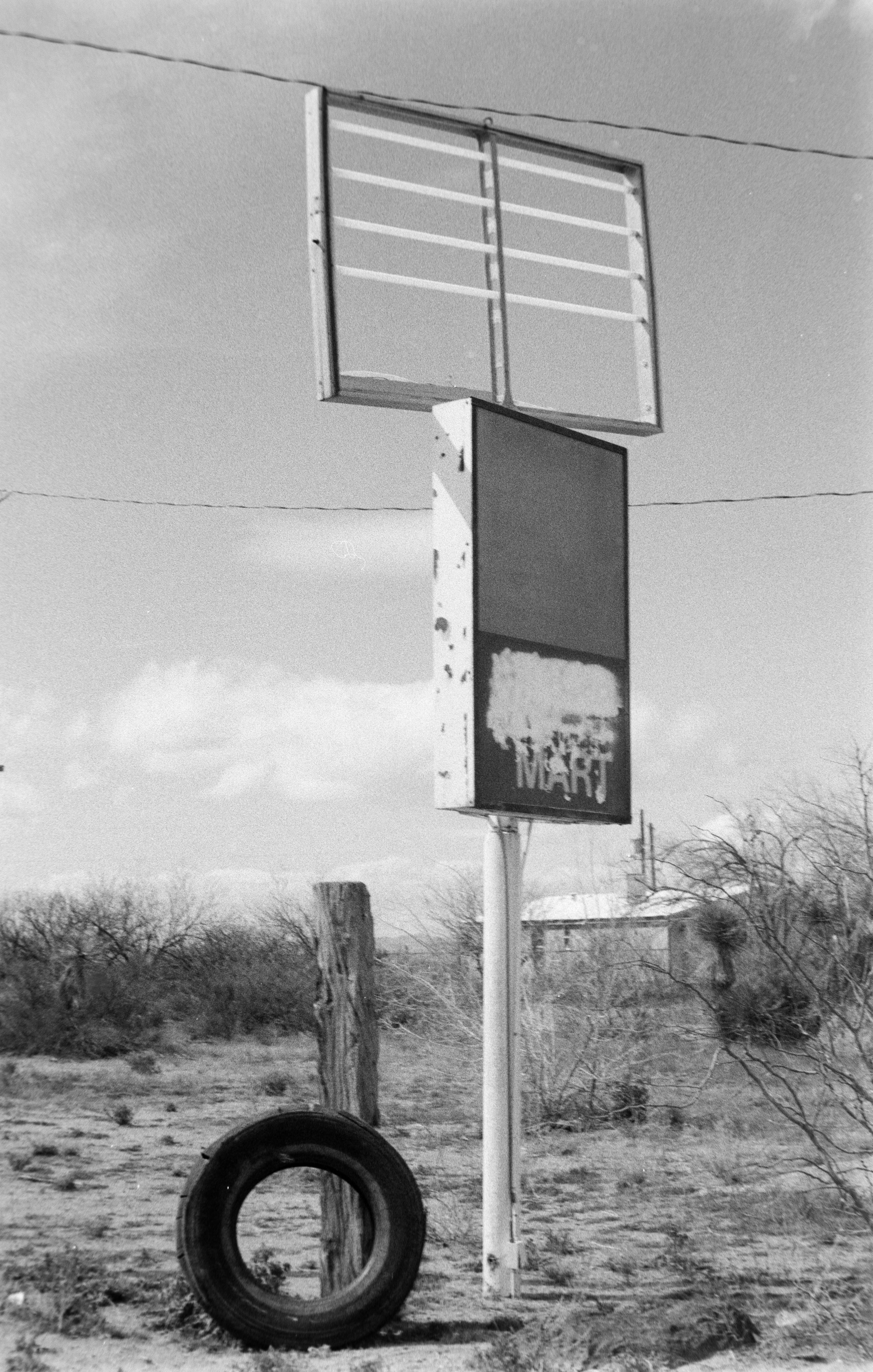
When you set out to make a book called “American Halcyon,” you’re chasing softness. Quiet triumph. The beauty that persists. I still found it, because light still behaves the way light always has and the sky in the western states still opens up like it’s trying to constantly help you find good work.
But it felt dishonest to ignore the fracture.
There were towns where the grain elevators still stood tall, but the storefronts were hollow. Communities held together by one open gas station and a Dollar General selling burner phone cards and sodas. Roads so broken they felt symbolic, except they weren’t symbols, they were just major roads in complete disrepair.
I started pulling over less for nostalgia and more for clarity. Not to exploit it or to sensationalize, half the time I didn’t even photograph most of it. I just was in awe at the level that things have gotten to.
There’s a difference between photographing ruin because it’s aesthetic and photographing it because it’s there. The first feels like a style choice. The second feels like documentation.
Somewhere after Oklahoma, I realized the book probably wasn’t going to end the way I thought it would in my mind. It’s evolved.
“Halcyon” implies a calm past. A golden age. A period of peace we can point to and say, There. That’s what we were. Driving west, what I saw wasn’t a country resting in its legacy. It felt like a country negotiating with it’s choices and trying to survive it.
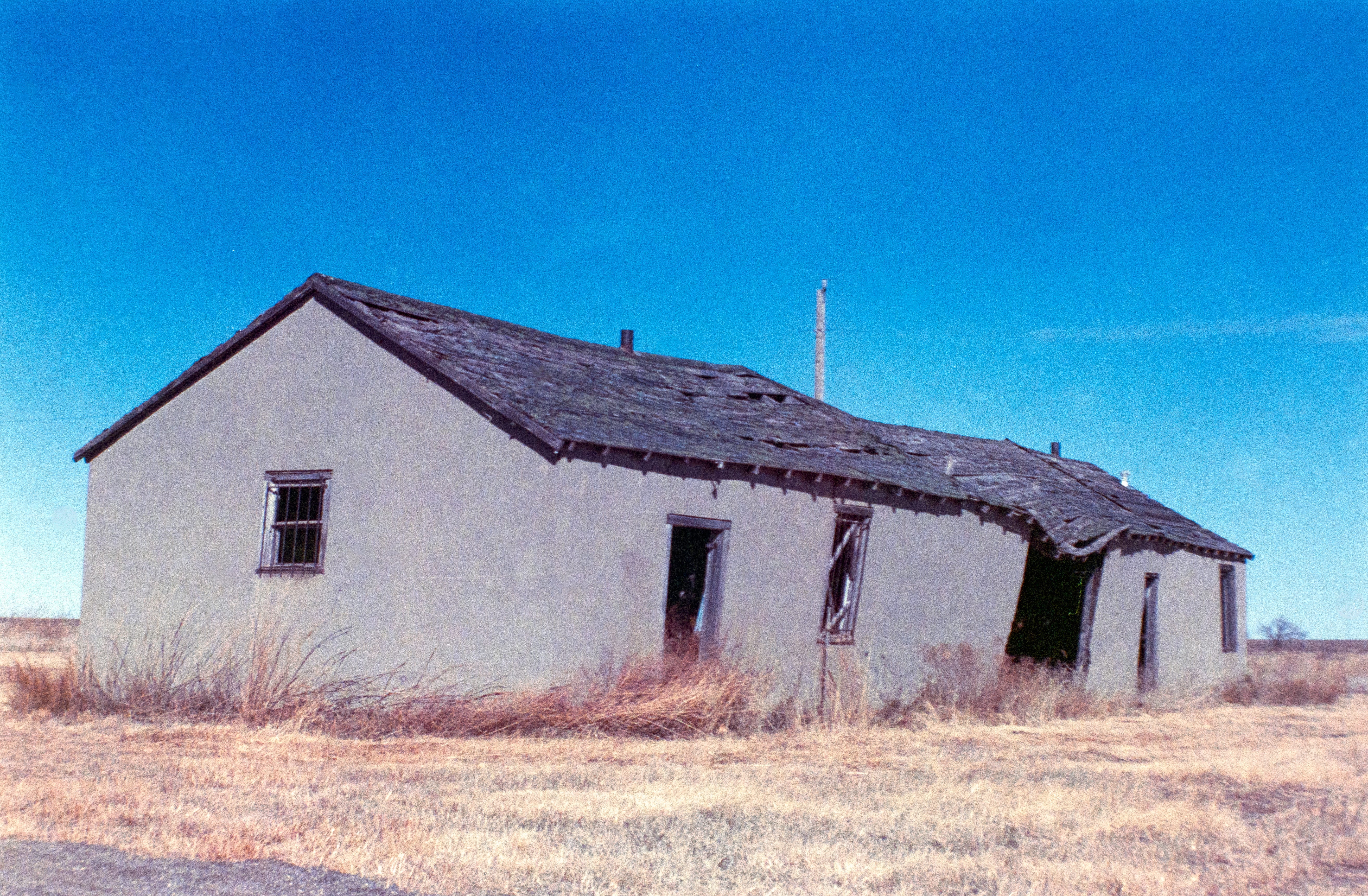
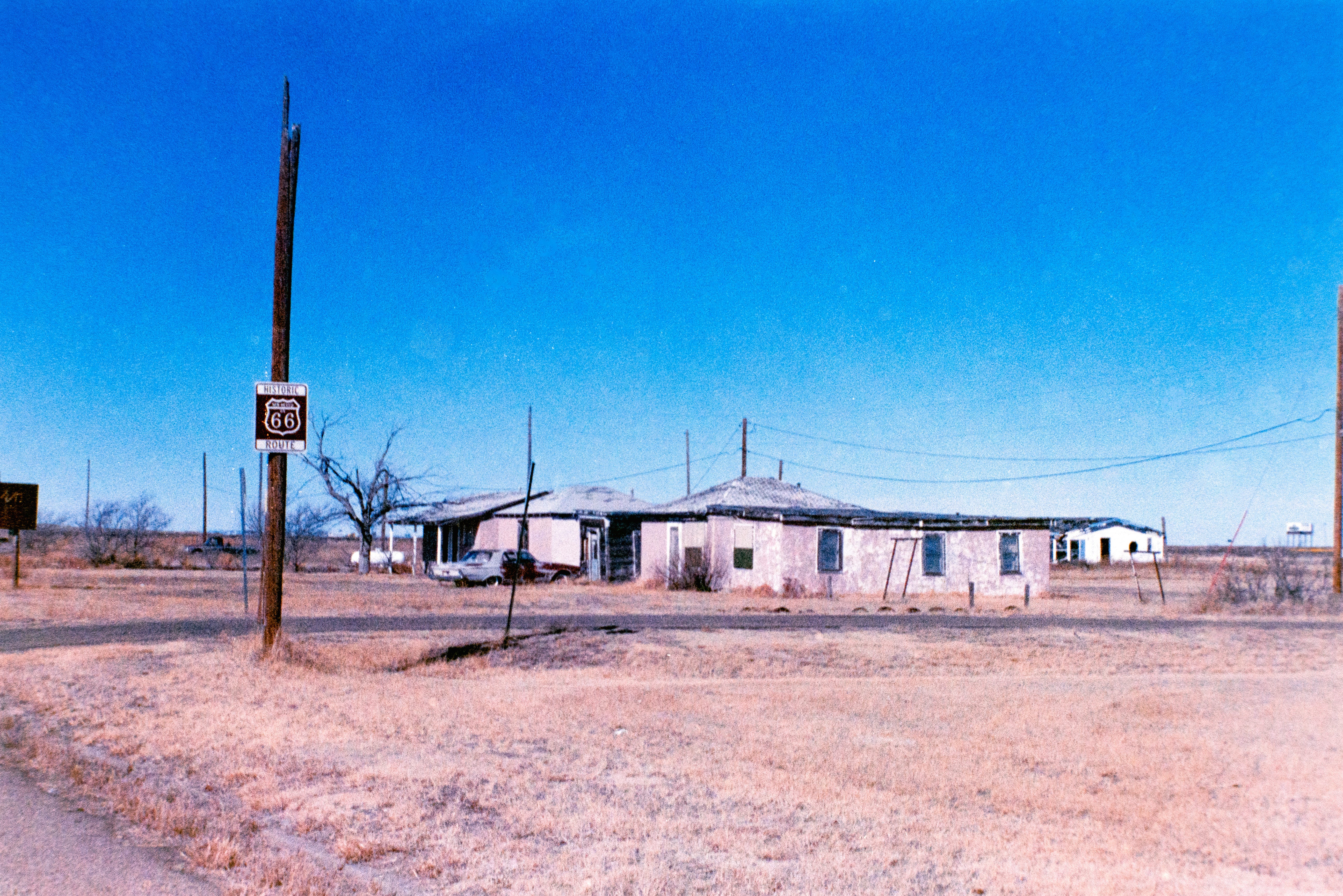
There’s a sadness in seeing infrastructure that was clearly built with confidence. Rail lines that assumed growth was coming, downtown theaters that assumed crowds would fill their velvet seats and highways that assumed mobility would equal opportunity and frequent travelers.
Some of it still works. Most of it doesn’t. Some of it never did.
This isn’t cynicism. It isn’t even political in the way people might want it to be, although I know it is at the root of things. In this particular instance, it's observational. When you drive over five thousand miles with a camera and no real schedule or destination, you don’t get the curated version of a place. You get the repetition, and repetition tells the truth. The truth is complicated.
There is still beauty. There are still moments that feel impossibly American in the best way. A hand-painted sign, a church parking lot filling up on a Wednesday night, community events scheduled to hopefully pump money into their economy, smiling faces on bicycles freeze framing at the end of the movie.
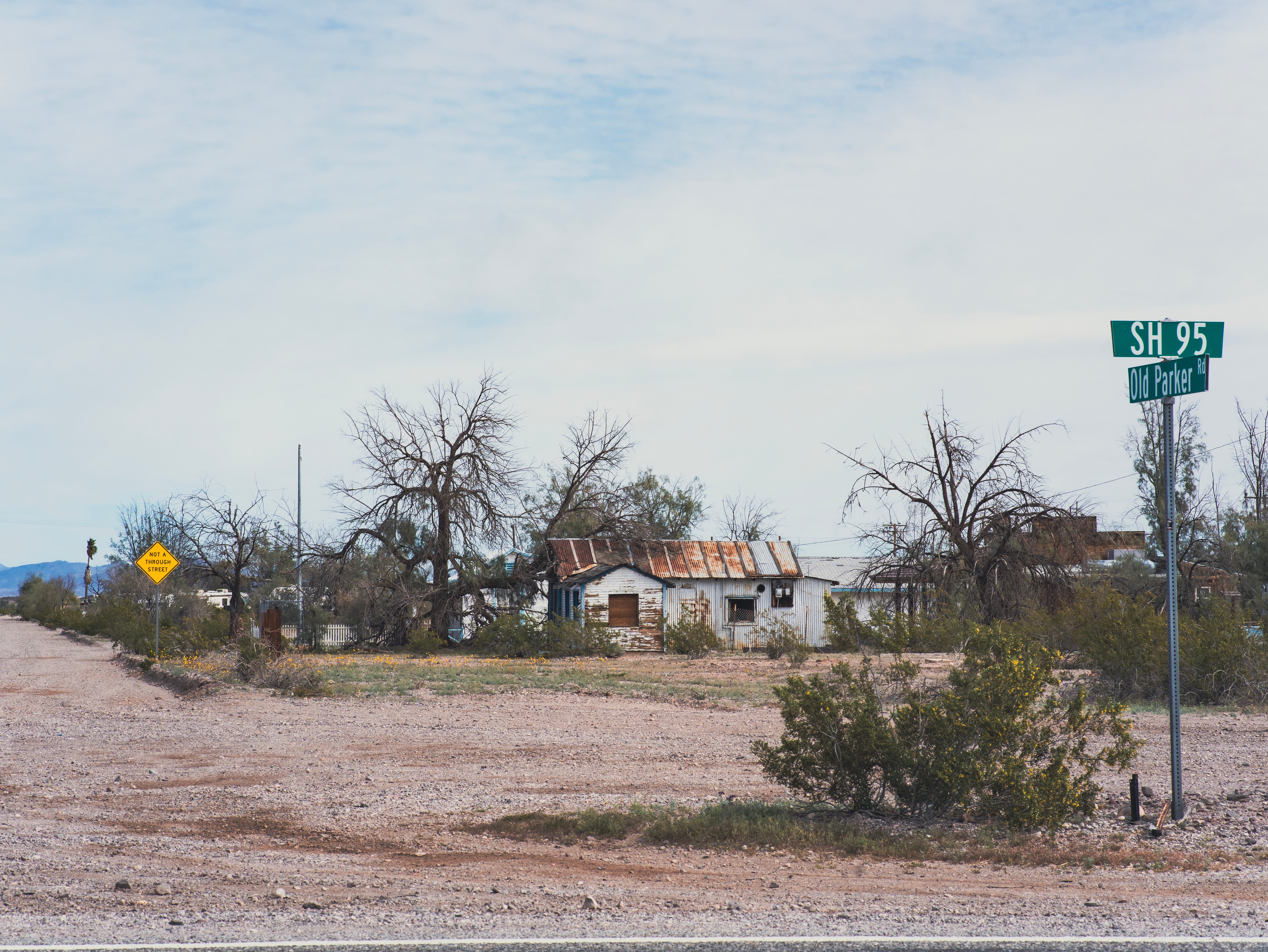
They exist, but do so alongside something heavier and more burdensome.
I spent a lot of the drive wrestling with a quiet question:
Was I documenting a halcyon period, or the idea that one ever existed?
The title started to feel less like a declaration and more like a question.
Maybe “American Halcyon” isn’t about proving that a golden age existed. Maybe it’s about confronting the space between the story we tell ourselves and the evidence we pass at 75 miles per hour as we scream our way across the country.
Photography has a way of clarifying things you didn’t really intend to examine. You think you’re chasing light, and you end up chasing meaning. You think you’re finishing a book, and you end up rewriting the whole plot.
By the time I crossed into California, I wasn’t looking for a triumphant final frame anymore. I was looking for hope for the future. Just one thing that held both the light and the fracture in the same composition and made me believe the lie I’d told myself for most of my life.
Because that’s what the drive gave me.
Not despair, or nostalgia, or even a resolution.
Just a clearer view
Fuck me. Awesome, fascinating, heartfelt. Your best work Justin. Words and pictures.
I agree with Paul. You write so well; and the poignancy and hesitancy in your voice is echoed in the images. There is a heaviness, too: but not one that cannot be relieved; just one that no-one has the time or money to resolve… – it sits on your shoulders; and you think and feel for all those afflicted.
If you seek a happy ending, I hope you find it.